
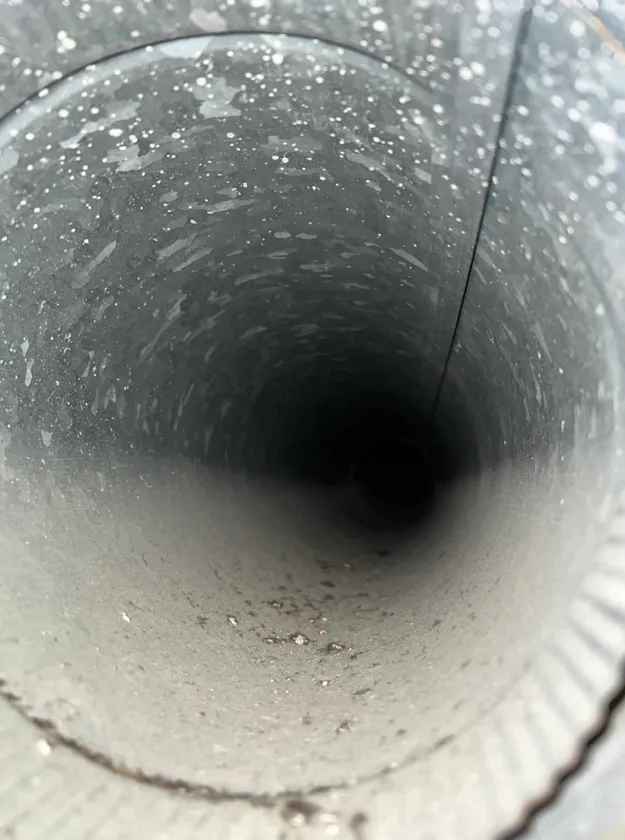
Central forced-air heating and cooling systems are essential for year-round comfort in Arlington homes. Throughout the year, HVAC units circulate thousands of cubic feet of air through a complex network of supply branches, return channels, and main trunk lines. While air filters capture a portion of floating dust at the return intake, fine microscopic debris, airborne fibers, and organic particles continuously slip past primary filtration.
Because ductwork sits hidden behind sheetrock, beneath subfloors, and across attic spaces, homeowners rarely consider what settles along the internal walls of their air channels. Over years of continuous operation, these concealed pathways become reservoirs for various environmental contaminants. Understanding what accumulates inside residential ventilation systems helps Arlington residents maintain healthier indoor air quality, protect mechanical efficiency, and address hidden environmental risks before they impact daily home life.
Common Contaminants Discovered in Residential Air Channels
Residential ventilation channels accumulate a wide variety of particulates introduced through daily household activities, renovation projects, local weather events, and natural system aging.
| Contaminant Category | Primary Source | Common Visual Indicators | Impact on Home Environment |
| Household Dust & Fibers | Carpet fibers, clothing textiles, shed skin cells | Dark grey velvet-like mats on boot walls | Restricts airflow and causes rapid dust accumulation on furniture |
| Construction Debris | Drywall sanding, flooring installs, remodeling | White fine powder, sawdust, plaster chunks | Abrades mechanical blower components and clogs fresh filters |
| Biological Material | Household pets, microscopic dust mites | Dense clumps of hair, pet dander flakes | Triggers respiratory allergies, morning congestion, and sneezing |
| Pollen & Outdoor Soil | High North Texas winds, open doors, yard work | Yellowish or tan gritty residue in boot bends | Recirculates seasonal allergens throughout interior living spaces |
| Pest Remnants | Insects, rodents seeking shelter in subfloors | Droppings, insect casings, shredded insulation | Creates unpleasant odors and introduces biological contaminants |
In densely populated suburban neighborhoods across Tarrant County, high seasonal pollen counts from native oak, ragweed, and cedar combine with fine topsoil particles carried by strong regional winds. Once these outdoor pollutants enter a residence through open doors or unsealed window frames, the HVAC system draws them into return vents, depositing them along damp or static-charged internal pipe walls.
The Progression of Debris Accumulation in HVAC Systems
Ductwork contamination does not happen overnight. It develops gradually across several stages as air recirculates through the residence over multiple seasons.
| Progression Stage | System Condition | Air Quality & Mechanical Effect |
| Stage 1: Initial Settlement | Fine particles bypass air filters and adhere to static-charged duct walls. | Minimal immediate impact on airflow; slight dust film forms near register openings. |
| Stage 2: Layering & Moisture Bonding | Humidity from summer cooling cycles bonds dust layers into dense, clinging mats. | Airflow resistance increases slightly; stale, dusty odors become noticeable during HVAC startup. |
| Stage 3: Deep System Buildup | Debris collects in plenum boxes, blower wheels, and evaporator coil fins. | Static pressure rises, causing uneven room temperatures and increased electrical energy consumption. |
| Stage 4: Recirculation & Blockage | Heavy accumulation dislodges during airflow surges, re-entering living areas. | Persistent household dust, aggravated allergy symptoms, and elevated risk of component overheating. |
During summer cooling cycles, cold air passing through supply lines creates localized condensation if duct insulation is thin or unsealed. This ambient moisture combines with settled dust particles, creating a sticky substrate that traps additional passing debris. When winter heating cycles begin, furnace burners warm these settled mats, dispersing dry particles and burnt smells throughout occupied rooms.
How Contaminated Air Lines Affect Home Comfort and Health
The contents of a home’s ductwork directly influence indoor living conditions. Because modern residential construction prioritizes tight thermal seals to conserve energy, indoor air recirculates continuously through the same distribution pathways.
| Air Distribution Stage | System Location | Condition Impact |
| Intake Phase | Return Air Vents | Pulls in ambient indoor dust, pet hair, and airborne fibers. |
| Accumulation Phase | Trunk Lines & Plenums | Traps particulate layers inside damp or static-charged duct walls. |
| Processing Phase | Blower Motor & Coils | Forces air past dirty components, increasing static resistance. |
| Circulation Phase | Supply Vents & Living Rooms | Recirculates fine irritants into bedrooms, kitchens, and family areas. |
When debris sits inside main air channels, occupants may notice several ongoing issues:
- Persistent Household Dust: Dusting tabletops and shelving yields only temporary results, as switching on the air conditioner releases fresh particulate matter from supply grilles.
- Unexplained Seasonal Allergies: Family members experience persistent sneezing, watery eyes, or throat irritation while indoors, even when outdoor pollen counts remain moderate.
- Musty or Stale Indoor Odors: Organic matter, trapped humidity, and pet dander inside return chases generate lingering smells that air fresheners cannot eliminate.
- Uneven Air Distribution: Heavy dust mats near branch dampers or register boots restrict airflow velocity, leaving certain bedrooms warmer or cooler than the rest of the home.
Mechanical Strain and Rising Utility Costs
Accumulated duct debris affects more than just air hygiene; it imposes serious physical stress on heating and cooling hardware. High-efficiency heat pumps and gas furnaces rely on precise air volumes moving across heat exchangers and cooling coils to function efficiently.
| System Impact Area | Uncleaned Ductwork Condition | Clean Ductwork Condition |
| System Static Pressure | Abnormally high due to internal pipe friction and blocked boots | Balanced according to original manufacturer specifications |
| Blower Motor Load | Higher electrical draw as fan works against airflow resistance | Smooth, efficient motor operation with low electrical strain |
| Evaporator Coil Efficiency | Dust forms an insulating blanket over aluminum thermal fins | Unrestricted heat transfer, preventing coil freezing and long run times |
| Monthly Energy Costs | Elevated power bills caused by extended, inefficient heating/cooling cycles | Lower utility consumption and reliable seasonal operating costs |
A thin layer of dust on an evaporator coil reduces its thermal absorption capability significantly. To compensate, the compressor runs longer cycles, consuming more electricity and accelerating mechanical wear on critical components like capacitors and fan bearings.
Practical Inspection and Remediation Steps
Homeowners can take active measures to evaluate their air channels and determine whether internal contamination requires professional attention.
- Perform a Visual Register Inspection
Remove supply register covers in several rooms using a screwdriver. Shine a bright flashlight into the register boot. Look for thick dust mats, construction plaster, pest droppings, or dark spots along the duct lining.
- Inspect the Return Air Plenum
Turn off the system at the thermostat, open the main return filter door, and examine the internal cabinet space behind the filter. If the walls of the return box are coated in a heavy lint or dark dust layer, particulate matter is bypassing the filter into the main furnace housing.
- Schedule Professional Negative-Pressure Cleansing
Standard household vacuums and dusters cannot generate the suction volume required to remove static-bound debris from long trunk lines. Utilizing professional duct cleaning services in Arlington ensures that specialized rotary air whips, agitating brushes, and commercial negative-pressure extraction units safely isolate and extract deep debris without spilling dust back into living spaces.
Checklist for Maintaining Clean Ventilation Channels
To maintain optimal air quality and prolong the operational lifespan of home heating and cooling systems, follow this straightforward maintenance routine:
- Replace Air Filters Consistently: Swap out standard return air filters every 30 to 90 days, selecting pleated MERV 8 to MERV 11 filters for balanced filtration and airflow.
- Seal Floor Registers During Remodeling: Cover supply and return openings with plastic sheeting when sanding drywall, painting, or installing new flooring to prevent construction dust from entering the system.
- Keep Vents Unobstructed: Maintain at least two feet of clear space around supply registers and return grilles by moving drapes, rugs, and heavy furniture.
- Vacuum Vent Grilles Regularly: Use a brush vacuum attachment to remove loose lint from supply and return covers during routine household cleaning.
- Schedule Annual HVAC Inspections: Combine internal duct sanitation checks with yearly cooling and heating tune-ups to verify blower cleanliness, drain line operation, and overall system safety.
Protecting Air Quality and Home Efficiency
Discovering what lies hidden inside residential air channels underscores the importance of proactive HVAC maintenance. By identifying accumulated dust, pollen, and renovation debris early, Arlington homeowners can take decisive steps to restore clean airflow, eliminate lingering indoor odors, and protect expensive climate control equipment from unnecessary mechanical wear. Maintaining clean air distribution lines ensures a healthier, more comfortable, and energy-efficient living environment year-round.