
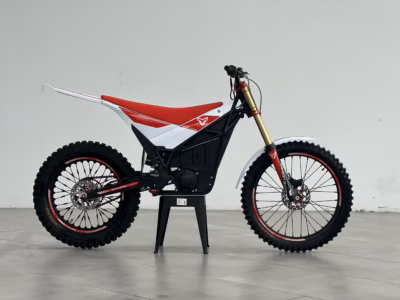
Battery range is one of the first things riders think about when considering an electric off-road motorcycle. Unlike a gasoline-powered bike, an electric model depends entirely on the energy stored in its battery, which makes planning especially important for longer trail rides and recreational outings.
The good news is that range becomes much easier to manage once riders understand the factors that affect it. Terrain, speed, rider weight, temperature, tire pressure, and riding style can all influence how far a bike travels on one charge. By paying attention to these details, riders can plan trips more confidently and avoid unnecessary range anxiety.
Real-World Range Can Differ From Advertised Figures
Manufacturers often provide estimated range figures, but those numbers should be treated as a general guide rather than a guarantee. A rider traveling at moderate speed on smoother terrain may achieve very different results from someone climbing steep hills, accelerating hard, or riding through deep sand. Extra weight, frequent stops, and aggressive throttle use can all increase battery consumption.
Anyone considering an Electric dirt bike should therefore think about their typical riding environment instead of comparing models based only on a single range number.
Terrain Has a Major Effect on Energy Use
Off-road terrain changes constantly, and each type places different demands on the bike. Steep climbs require more power, while soft ground such as sand or mud can create additional resistance. Rocky technical sections may involve repeated acceleration and braking, which can also affect efficiency.
Flatter trails and smoother tracks are generally easier on the battery. Riders who regularly use demanding terrain may want to leave more reserve capacity rather than planning rides around the maximum estimated range.
Riding Style Matters More Than Many Riders Expect
Throttle control has a direct impact on battery use. Frequent full-power acceleration can drain energy faster than smooth, progressive riding. Maintaining unnecessarily high speeds can also reduce efficiency, especially on rough terrain where the rider is constantly adjusting speed.
A smoother riding style does not necessarily mean riding slowly. It simply means using power more deliberately and avoiding unnecessary bursts of acceleration when they are not needed.
Plan Charging Around Your Routine
Charging convenience can be just as important as battery size. Riders who keep the bike at home may find overnight charging simple, while those who transport the bike to distant trails need to think more carefully about access to electricity.
Before a longer ride, it is useful to start with a properly charged battery and check that all charging equipment is in good condition. Riders should always follow the manufacturer’s charging instructions rather than relying on unofficial methods or incompatible chargers.
Compare Battery Needs Across Different Platforms
Not every rider needs the same type of battery capacity or performance. Someone who spends most of their time on short local trails may value lower weight and easier handling more than maximum range. A rider planning longer off-road sessions may place more importance on battery capacity and sustained performance.
For example, riders comparing Surron models should look at the specifications of each individual bike rather than assuming every model provides the same riding time or battery characteristics.
Different models are designed around different performance goals, so the best option depends on how the bike will actually be used.
Weather Can Influence Battery Performance
Temperature can affect how electric batteries behave. Very cold conditions may reduce available performance or range, while excessive heat can also place stress on battery systems. Riders should follow the manufacturer’s recommendations for charging, storage, and operation in different weather conditions.
Storing the bike in a suitable environment can also help protect the battery over time, especially during long periods when the bike is not being used.
Leave a Sensible Range Reserve
One of the simplest habits for electric riding is avoiding the temptation to use every last bit of available battery. Leaving a reserve gives riders more flexibility if the route becomes longer than expected, trail conditions become more difficult, or the return trip requires more climbing.
This is particularly important when riding in unfamiliar areas where distance estimates may not be completely accurate.
Check the Bike Before Longer Rides
Range planning is not only about the battery. Low tire pressure, dragging brakes, poor chain condition, or mechanical resistance can affect how efficiently the bike uses energy. A quick inspection before riding can help identify problems that might reduce performance.
Riders should also check battery charge, tire condition, brakes, chain tension, and any visible electrical connections before heading out.
Conclusion
Battery range becomes much easier to manage when riders understand what affects it. Terrain, throttle use, temperature, rider weight, mechanical condition, and charging habits can all influence how far an electric dirt bike travels.
Good planning is usually more useful than chasing the highest possible range figure. By matching the bike to the type of riding, charging properly, leaving a sensible reserve, and maintaining the machine carefully, riders can enjoy longer and more predictable off-road sessions.