
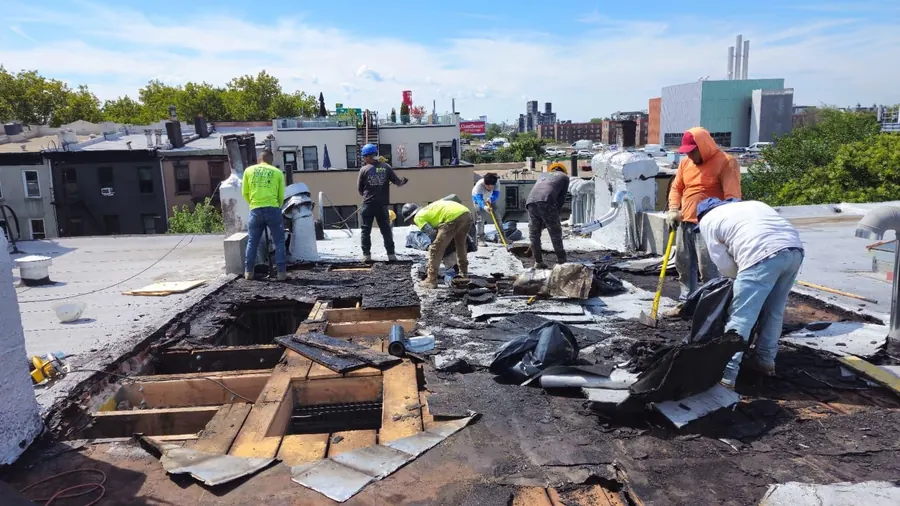
A sudden roof leak is one of the most urgent threats a homeowner or commercial property manager can face. Uncontrolled water intrusion can quickly compromise structural timber, ruin insulation, destroy drywall, and damage valuable interior contents. Whether caused by severe windstorms, heavy downpours, rapid snow melt, or fallen tree limbs, moisture breaches require immediate professional attention to limit structural degradation and prevent hazardous mold growth.
Having access to round-the-clock emergency response teams ensures that structural vulnerabilities are addressed swiftly before minor leaks turn into catastrophic property losses.
Common Triggers for Sudden Roof Breaches
Severe weather events and sudden structural damage can compromise even well-maintained roofing assemblies without warning. Understanding the primary causes of emergency leaks helps property owners identify vulnerabilities early:
-
Severe Storm Damage and Wind Uplift: High winds can tear shingles from residential decks or peel back single-ply membranes on commercial flat roofs, exposing underlying underlayment directly to driving rain.
-
Impact from Fallen Debris: Falling tree branches during windstorms or severe cold weather can puncture roof decking, fracture slate or clay tiles, and dislodge perimeter flashing.
-
Ice Damming and Meltwater Backup: During winter freeze-thaw cycles, ice dams along eaves trap melting snow. Standing water pools behind the ice ridge and forces its way upward under shingle courses.
-
Flashing and Sealant Failures: Aging sealants around chimneys, skylights, plumbing vents, and HVAC units can suddenly yield under heavy precipitation, allowing water to follow structural beams directly into living or working spaces.
Steps to Take While Waiting for Emergency Responders
When water begins actively penetrating a building envelope, taking rapid mitigation measures inside can significantly reduce overall property damage until professional crews arrive on site.
-
Contain the Interior Spread: Place buckets, plastic tubs, or trash cans directly under active drips to catch water. Lay down towels or heavy blankets to prevent water from running across hardwood or tile flooring.
-
Relieve Water Pressure on Ceilings: If water is pooling behind ceiling drywall or plaster—indicated by a sagging bulge or discoloration—carefully poke a small hole in the center of the bulge with a screwdriver or nail. This releases trapped water into a bucket, preventing a large, destructive ceiling collapse.
-
Protect Valuables and Electronics: Move furniture, electronics, and important documents away from the leak area. Cover non-movable items with plastic tarping or heavy-duty trash bags.
-
Document the Damage: Take clear photos and videos of the active leak, affected interior spaces, and damaged personal property for insurance claim documentation.
-
Prioritize Safety: Never attempt to climb onto a wet, icy, or wind-damaged roof during an active storm. Wet shingles are extremely slick, and compromised roof decking may be structurally unsafe.
What to Expect from Professional Emergency Repair Services
Emergency roofing technicians focus first on rapid containment and structural stabilization, followed by permanent restorative repairs once weather conditions clear.
|
Phase of Emergency Service |
On-Site Actions & Objectives |
Primary Goal |
|---|---|---|
|
1. Rapid Tarping & Securing |
Installing heavy-duty, UV-resistant tarps secured with wooden battens over damaged sections |
Immediate moisture exclusion to halt ongoing interior damage |
|
2. Temporary Water Diversion |
Clearing blocked scuppers, gutters, or debris to restore proper drainage pathways |
Preventing static weight accumulation and standing water backup |
|
3. Moisture & Deck Assessment |
Inspecting underlying sheathings, insulation, and framing for structural integrity |
Identifying the full scope of damage beyond the visible breach |
|
4. Permanent Restoration |
Replacing damaged shingles, membranes, flashings, or decking under clear weather conditions |
Restoring full structural protection and manufacturer warranty coverage |
When facing unexpected structural breaches or severe weather damage, property owners can secure rapid stabilization by contacting certified teams for emergency leak repair to safeguard their property around the clock.
Long-Term Protection Through Proactive Care
While 24/7 emergency services provide crucial immediate intervention, establishing routine bi-annual inspections and addressing minor flashing wear early remains the best defense against unexpected roof failures. By combining proactive maintenance with rapid emergency response capabilities, building owners can ensure continuous shelter, protect physical assets, and maintain total peace of mind throughout every season.