
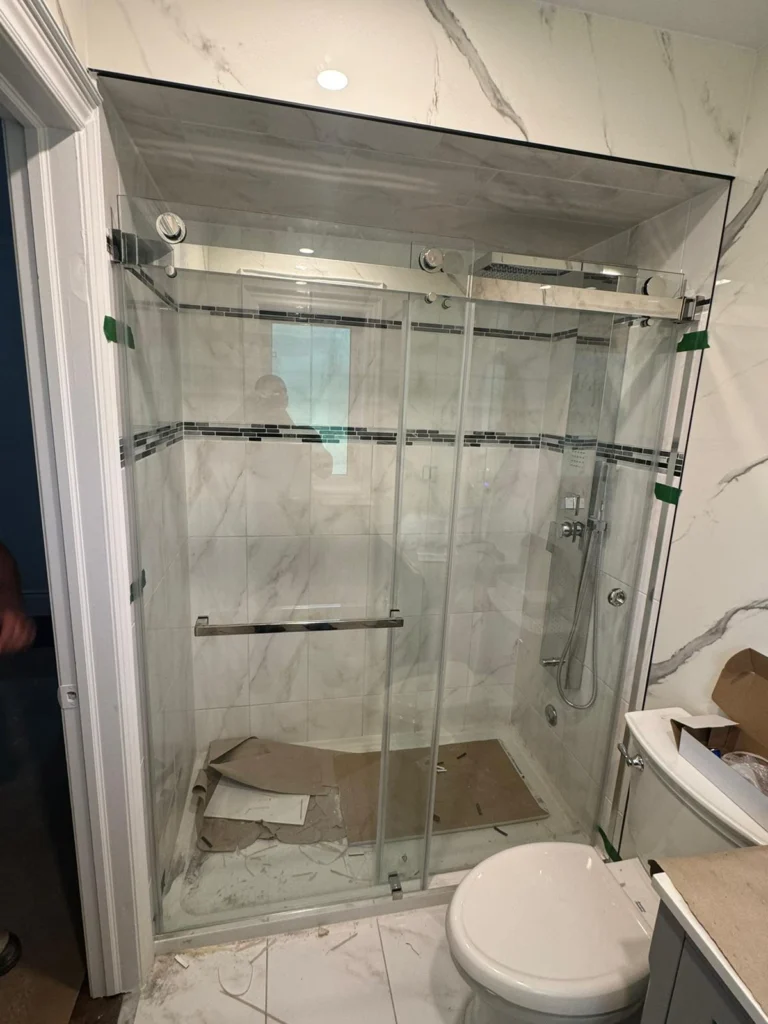
Modern bathroom design places a strong emphasis on clean aesthetics, functional layout, and effective moisture management. Updating or installing a shower enclosure is one of the most effective ways to transform a bathroom’s visual appeal while preventing water damage to floors and walls. A well-executed shower door system not only contains splashing and steam during daily use, but also improves hygiene, maximizes available space, and adds long-term value to a residential property.
Key Types of Shower Enclosure Configurations
Selecting the right shower door system depends on bathroom dimensions, structural wall support, plumbing layout, and individual accessibility preferences.
-
Frameless Enclosures: Constructed from heavy tempered glass supported by minimal metal hardware, frameless systems offer a clean, open visual field and are simple to clean due to the absence of metal channels.
-
Semi-Framed Doors: Featuring metal framing along the outer perimeter while keeping the door panel itself frameless, these systems combine structural stability with a light, contemporary appearance.
-
Framed Sliding Doors: Ideal for compact bathrooms or bathtub-shower combinations, framed sliding units utilize top and bottom track assemblies to maximize usable floor area.
-
Pivot and Hinged Doors: Designed for wider openings, hinged doors swing outward or inward, requiring clear floor space outside the enclosure.
Factors Influencing Structural Stability and Safety
Proper shower door performance requires careful preparation long before hardware is attached. Shower glass panels are heavy, requiring solid backing and accurate measurements.
|
Design Aspect |
Structural Requirement |
Operational Benefit |
|
Wall Stud Anchoring |
Heavy glass hinges require solid wood blocking inside the wall frame. |
Prevents wall sagging and hardware loosening over time. |
|
Out-of-Plumb Wall Accommodation |
Precision measuring and custom glass cuts account for uneven tile or drywall. |
Guarantees tight seal margins and smooth panel alignment. |
|
Glass Thickness Standards |
Use of 3/8-inch to 1/2-inch architectural-grade tempered safety glass. |
Delivers impact resistance and structural rigidity without bowing. |
Essential Steps in the Installation Process
Installing a shower door unit requires absolute precision, specialized tools, and exact handling of heavy glass components.
-
Precision Site Assessment and Measuring: Technicians evaluate curb level, wall plumbness, and tile layout to ensure the selected door design will operate without binding or leaking.
-
Hardware and Anchor Installation: Heavy-duty brass or stainless steel hinges and wall channels are anchored directly into structural wall studs using corrosion-resistant fasteners.
-
Glass Panel Positioning: Glass panels are lifted into position, aligned with setting blocks, and checked with precision levels before hinges and support clamps are tightened.
-
Waterproofing and Sealant Application: Mold-resistant silicone sealant is applied along fixed panel joints, and vinyl sweep gaskets are fitted to prevent water from escaping underneath or between moving panels.
For homeowners planning a bathroom renovation or replacing an outdated enclosure, partnering with experienced technicians for shower door installation ensures proper alignment, watertight seals, and compliance with safety standards.
Long-Term Care and Maintenance Guidelines
Simple routine care maintains glass clarity and prevents mineral buildup on hardware components:
-
Squeegee After Every Use: Wiping water droplets off glass surfaces after showering prevents hard water mineral deposits and soap scum accumulation.
-
Use Non-Abrasive Cleaners: Clean glass and metal hardware with pH-neutral, non-abrasive sprays to protect glass coatings and hardware finishes.
-
Inspect Vinyl Seals and Sweep Gaskets: Check lower sweeps and magnetic door seals periodically for wear, replacing them if water begins leaking onto the floor.
-
Check Fasteners and Hinges: Periodically confirm that hinge screws and panel clamps remain tight to maintain proper panel alignment.
A professional installation combined with consistent maintenance ensures a shower door system operates smoothly, remains watertight, and maintains its appearance for years to come.