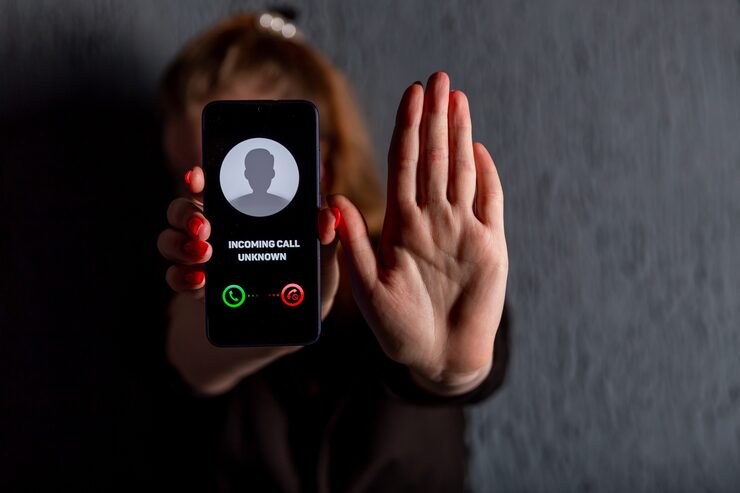
866-923-9072 is a number that has recently triggered a surge of reports regarding fraudulent activities and deceptive telephone practices across various consumer protection platforms. If you have seen this number flashing on your smartphone screen or discovered it in your missed call log, you are likely part of a targeted campaign designed to exploit unsuspecting individuals.
The digital age has brought many conveniences, but it has also empowered bad actors with tools to impersonate legitimate organizations with frightening accuracy. Understanding the nature of the calls originating from this specific toll-free number is the first step in building a robust defense against modern telemarketing fraud.
Many people who have interacted with callers from this number describe a similar pattern of behavior characterized by high pressure and a sense of manufactured urgency. Scammers utilize these psychological triggers to bypass our logical thinking, forcing us into a state of panic where we are more likely to share sensitive personal information.
Experience tells us that these calls often occur at inconvenient times when our guard is lowered, such as during a busy workday or late in the evening. By catching you off guard, the person on the other end of the line attempts to establish authority before you have a chance to question the validity of their claims.
Understanding the 866-923-9072 Scam Tactics
When we look into the mechanics of the 866-923-9072 operation, we see a sophisticated use of “vishing,” or voice phishing, which involves using the telephone to conduct social engineering attacks. The callers frequently pose as representatives from well-known financial institutions, government agencies, or tech support departments.
One common scenario involves a caller claiming that there has been suspicious activity on your bank account or that a high-value purchase was recently authorized in your name. They might mention a specific, large dollar amount to grab your attention and trigger an immediate emotional response of concern or fear.
Once they have your attention, they offer a “solution” that typically involves you verifying your identity by providing your full Social Security number, banking credentials, or a one-time passcode sent to your phone. This is the ultimate goal of the interaction, as this data allows them to bypass your security and access your funds.
Another tactic involves the caller claiming to be from a government entity, such as the Social Security Administration or the IRS, alleging that there is a problem with your records or a pending legal matter. They may threaten arrest or legal action if you do not comply with their demands for information or immediate payment via untraceable methods.
How to Handle a Call from 866-923-9072
If you receive an unsolicited call from 866-923-9072, the most effective action you can take is to simply not answer the phone. If the call is legitimate and concerns a real account issue, the organization will almost always leave a detailed voicemail or send a formal notification through a secure online portal.
In the event that you do pick up, listen for a few seconds to see if there is a delay before the person speaks, as this often indicates an automated dialing system. If the caller begins by asking “Can you hear me?” or another leading question, do not respond with “Yes,” as scammers sometimes record your voice to authorize fraudulent transactions.
If the person on the line claims to be from a company you do business with, tell them you will call them back using the official number listed on the back of your credit card or the company’s verified website. A legitimate representative will never discourage you from using an official channel to verify their identity.
The moment a caller starts demanding payment through gift cards, wire transfers, or cryptocurrency, you can be certain you are dealing with a fraudster. No reputable agency or business will ever ask for payment in these forms, as they are essentially the same as giving away cash with no way to track or recover it.
The Psychology of High-Pressure Phone Fraud
The individuals operating behind the 866-923-9072 number are often trained in the art of manipulation, using scripts designed to build rapport and then pivot to intimidation. They might start the conversation in a very friendly and helpful tone, making you feel like they are your ally in resolving a “problem.”
This shift from being a “helpful assistant” to an “authoritative enforcer” is a classic tactic used to keep the victim off balance. When we feel that a stranger is trying to help us avoid a financial disaster, our natural inclination is to trust them and follow their instructions without second-guessing.
Scammers also rely on the concept of “scarcity of time,” telling you that you only have a few minutes to stop a transaction or prevent an account freeze. This artificial deadline is meant to prevent you from hanging up and consulting a friend, family member, or professional who might recognize the scam.
It is important to remember that you are in control of the conversation. You have the right to hang up at any time, especially if the caller becomes aggressive, rude, or refuses to provide a direct callback number that can be verified through independent sources.
Real-Life Encounters and Storytelling
Consider the story of a young professional named Marcus who recently received a call from this number while he was preparing for a major presentation. The caller claimed to be from the fraud department of his primary bank, stating that a three thousand dollar transfer was pending to a recipient in another country.
Marcus was immediately stressed because he didn’t want his account drained, and the caller sounded incredibly professional, even using background noise that mimicked a busy office. The caller asked Marcus to “verify” his identity by reading back the six-digit code that had just been sent to his mobile device.
In the heat of the moment, Marcus almost complied, but then he remembered a warning from a security blog he had read months ago. He stopped, told the caller he would go to the bank branch in person, and hung up. When he reached out to his bank via their official app, they confirmed that no such transfer existed and that the call was a total fabrication.
This experience highlights how easily even tech-savvy individuals can be manipulated when they are busy or stressed. The scammer’s goal is to find that one moment of vulnerability, and in Marcus’s case, it was the pressure of his upcoming meeting combined with the fear of losing his savings.
Why Toll-Free Numbers are Preferred by Scammers
The use of a toll-free prefix like 866 is a deliberate choice by the organizers behind 866-923-9072. For decades, toll-free numbers have been associated with large, reputable corporations and customer service centers, lending an air of legitimacy to any call that displays such a number on a caller ID.
Additionally, many people feel more comfortable answering a toll-free number than an out-of-state area code or an “Unknown” caller. Scammers exploit this inherent trust to bypass the initial skepticism that most people have when receiving calls from numbers they do not recognize.
Modern technology also allows for “neighbor spoofing” or the manipulation of caller ID data. While the number appearing on your screen might be 866-923-9072, the actual call could be originating from a completely different location, potentially even from a different country.
The infrastructure required to set up these virtual numbers is relatively inexpensive, allowing criminal groups to rotate through dozens of different numbers every week to avoid being blacklisted by spam-blocking applications and service providers.
How to Protect Your Personal Information Long-Term
Protecting yourself from the threats posed by 866-923-9072 requires a multi-layered approach to your personal cybersecurity. Start by ensuring that you have multi-factor authentication (MFA) enabled on all your sensitive accounts, especially those related to banking and email.
MFA adds a critical layer of defense, meaning that even if a scammer manages to trick you into giving away your password, they still cannot access your account without the second form of verification. However, you must also be careful never to share those MFA codes with anyone who calls you, as that is exactly what they need to get in.
Be cautious about the amount of personal information you share on social media. Scammers often harvest data from public profiles to make their scripts more convincing, using details like your employer’s name or your recent travel history to create a false sense of familiarity during a call.
Consider using a secondary phone number for online shopping and public registrations. This keeps your primary number more private and makes it easier to identify when a call is likely to be a solicitation or a scam, as you will know that the number calling you doesn’t belong to your inner circle of friends and family.
The Importance of Reporting Fraudulent Calls
When you encounter a number like 866-923-9072, your actions can help protect others in your community. Reporting the number to the Federal Trade Commission (FTC) in the United States or equivalent agencies in other countries provides law enforcement with the data they need to track and eventually shut down these operations.
You can also report the number to your mobile service provider. Many carriers have “Report Spam” features that allow them to analyze call patterns and eventually block the number for all of their subscribers. This collective defense is one of our most powerful tools against mass-dialing fraud.
There are also several online communities and databases where users share their experiences with specific phone numbers. By posting a brief description of your call, you provide a warning for the next person who might be searching for that number while the scammer is still on the line with them.
While it might feel like a single report doesn’t make a difference, the aggregate data from thousands of reports allows authorities to identify the biggest threats and allocate resources toward dismantling the criminal networks that profit from these deceptive practices.
Technical Defense: Apps and Settings
Your smartphone has several built-in features that can significantly reduce the number of scam calls you receive. On most modern devices, you can enable a setting that silences all calls from unknown numbers, sending them directly to voicemail where you can review them at your convenience.
There are also highly effective third-party applications designed specifically to identify and block known fraudulent numbers like 866-923-9072. These apps use real-time databases and community reporting to provide a “Risk Score” for incoming calls, allowing you to ignore them before they even disrupt your day.
If you find that you are being targeted by a specific number repeatedly, use the “Block Caller” feature on your phone. This won’t stop the scammers from using a different number next time, but it will force them to work harder and may eventually lead them to move on to an easier target.
Educating the more vulnerable members of your family, such as seniors or young children, is also a vital part of technical defense. Ensure that their devices are set up with appropriate filters and that they understand the basic rule: never give out personal information to someone who calls them unexpectedly.
Identifying the Evolution of Phone Scams
The tactics used by the callers at 866-923-9072 are not static; they are constantly evolving to keep up with new security trends and public awareness. We have seen a shift from simple “lottery” scams to much more complex schemes involving identity theft and account takeovers.
In the future, we may see scammers using artificial intelligence to mimic the voices of family members or known business associates, a technique known as “deepfake audio.” This makes it even more important to have “offline” verification methods, such as a secret family password or a rule that you only call back on a verified number.
Despite these technological advancements, the core of the scam remains the same: the manipulation of human emotion. Whether it’s fear, greed, or the desire to be helpful, scammers are looking for an emotional gateway that bypasses your common sense and professional skepticism.
Staying informed about the latest trends in consumer fraud is your best defense. By reading articles like this and keeping a watchful eye on your digital life, you can stay one step ahead of the people behind numbers like this and ensure that your hard-earned money and your private data stay secure.
Verifying Professional Credentials Safely
If you are genuinely concerned that a call from a number like 866-923-9072 might be real, there are safe ways to verify the situation without putting yourself at risk. The most important rule is to take control of the communication by hanging up and initiating the contact yourself.
If the caller claims to be from your bank’s fraud department, log in to your official banking app. Almost all modern financial institutions have a “Secure Message” center where they will document any legitimate concerns they have about your account. If there is no message there, the call was a fake.
Similarly, if the call concerns a utility bill or a government matter, look for a recent paper statement or an official “.gov” website to find a verified customer service number. Do not rely on the information provided by the caller or the information found in a “Sponsored” search result on Google, as those can also be manipulated.
Remember that a legitimate professional will never be upset that you want to be safe. If a person becomes angry or tries to guilt-trip you for wanting to verify their identity, it is a definitive sign that they are not who they say they are. Integrity and transparency are the hallmarks of real professional organizations.
Creating a Resilience Strategy
Building resilience against phone fraud means moving from a reactive state to a proactive one. Instead of worrying about every unknown call, you can develop a system for handling them. This might include never answering numbers you don’t recognize and always checking your voicemails before responding.
You can also set up alerts on your credit report so that you are notified immediately if anyone tries to open a new account in your name. This doesn’t stop a scam call, but it does provide a safety net in case you or someone in your household accidentally shares information that could lead to identity theft.
Encourage your workplace to implement training on phone fraud and vishing. Many security breaches in corporate environments begin with a simple phone call to an employee who isn’t aware of how easily a scammer can impersonate a high-level executive or a tech support specialist.
By sharing the specific details of the 866-923-9072 warning with your social circles, you contribute to a more informed and protected society. Awareness is the ultimate antidote to the deception and high-pressure tactics used by those who seek to profit from the misfortune and trust of others.
Managing the Aftermath of a Scam Encounter
If you have already interacted with a caller from 866-923-9072 and believe you may have shared too much, do not let embarrassment prevent you from taking action. Scammers are professionals at what they do, and many intelligent people fall for their schemes every single day.
Immediately contact your bank and explain the situation. They can place a hold on your accounts, cancel your cards, and monitor for any unauthorized access. If you provided a one-time passcode, tell them exactly when it happened so they can investigate the logs on their end.
Change your passwords for all major accounts, and ensure that your email account—which is often the “hub” for your digital life—is particularly secure. If a scammer gets into your email, they can use it to reset passwords for almost every other site you use.
Finally, take a moment to reflect on what happened without being hard on yourself. Use the experience to sharpen your instincts for the future. You are now much better prepared to recognize the warning signs, and you can use that knowledge to protect yourself and others from the next wave of fraudulent calls.