
Owning a 4×4 or an SUV built for off-roading is exciting, but it comes with one promise no driver can avoid — sooner or later, you will get stuck. Whether it is a deep mud bog, soft sand, a steep rocky climb, or an unexpected washout after rain, recovery situations are simply part of the off-road experience. The difference between a quick recovery and a long, frustrating ordeal usually comes down to two things: the quality of your recovery gear and how well you have maintained it.
Most off-roaders focus heavily on suspension upgrades, oversized tyres, and engine performance, but they often overlook the equipment that actually pulls them out of trouble. A well-maintained recovery setup is just as important as a well-tuned engine bay. In this guide, we will walk through the essential recovery gear every 4×4 should carry, and more importantly, the maintenance habits that keep this gear working when you need it most.
Why a Quality Winch Is the Backbone of Recovery
Of all the recovery tools you can mount on your vehicle, the winch is the single most important. It is the difference between waiting hours for a tow truck and getting yourself moving again in minutes. When choosing one, the rule of thumb is to pick a winch rated at least 1.5 times the gross vehicle weight of your rig, but capacity is only one part of the equation. Build quality, waterproof rating, motor type, and rope material all matter just as much.
If you are shopping around or planning an upgrade, it helps to compare specs and testing results from people who actually use these things in the field rather than relying on marketing copy alone. Reviews such as this rundown of top-rated winches for off-roading cover hands-on testing across different vehicle types, terrains, and budgets, which gives you a much more realistic picture before you commit. Pay attention to IP ratings (IP67 should be the minimum for serious off-road use), motor type (series-wound for heavy-duty work, permanent magnet for occasional use), and whether the unit ships with synthetic rope or steel cable. These three factors will define how your winch performs five years from now, not just on the day you mount it.
Maintenance Habits That Extend Your Winch’s Life
A winch left to sit in the elements without care will fail at the worst possible moment. Here is what every off-roader should do on a regular basis:
Inspect the rope or cable before every trip. Look for frays, kinks, broken strands, or signs of rust on steel cables. Synthetic rope should be checked for abrasion, UV damage, and any discolouration. Replace either at the first sign of compromise — rope failure under load is genuinely dangerous.
Re-spool the line properly after use. A loosely wound rope will dig into itself under load and damage the strands underneath. After every recovery, pay the line out to a safe distance and rewind it under light, even tension.
Clean and lubricate the fairlead. Roller fairleads need their pivot points oiled. Hawse fairleads, which pair with synthetic rope, should be wiped clean and checked for burrs that can shred your line over time.
Test the motor and solenoid quarterly. Run the winch out a few metres and back in. Listen for unusual noises, watch for hesitation, and check that the contactor engages cleanly. Catching issues early is cheap; catching them mid-recovery is not.
Check your electrical connections. Corroded terminals are one of the most common reasons a winch fails to perform under load. Clean the battery posts, inspect the cable lugs, and apply dielectric grease to slow further corrosion.
Supporting Recovery Gear You Should Not Skip
A winch alone does not recover a vehicle. The supporting equipment matters just as much, and each piece needs its own maintenance routine:
- Snatch block — Doubles your winch’s pulling power and lets you change the angle of the pull. Inspect the pulley wheel for play and the side plates for hairline cracks.
- Recovery tracks — Lightweight boards that slide under tyres for traction in sand or mud. Rinse them after every use and check the teeth for wear or chipping.
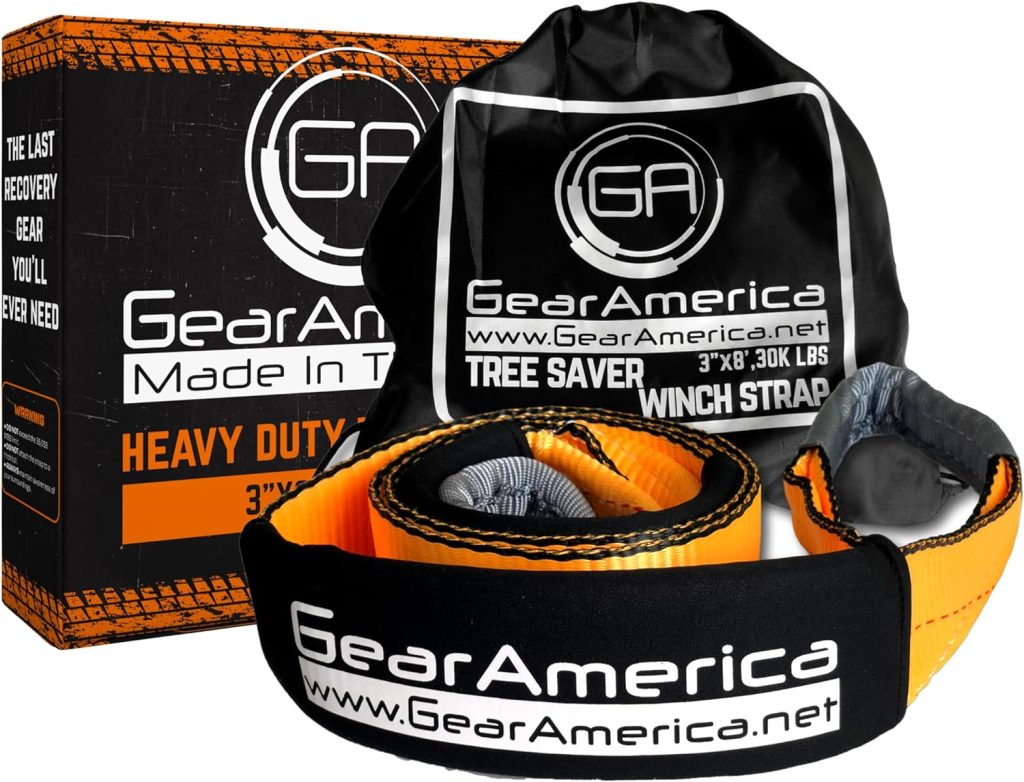
- Tree saver strap — Wraps around an anchor point without damaging the bark. Look for tears, fraying along the edges, and any stitching damage.
- D-shackles and soft shackles — Inspect for thread damage, deformation, and corrosion. Any shackle that shows obvious wear should be retired, not “saved for emergencies.”
- Gloves and a line dampener — Often forgotten but critical. A loaded winch line under tension is dangerous if it breaks, and a dampener absorbs that energy.
Pre-Trip Checklist for Recovery Equipment
Before any serious off-road run, take fifteen minutes to walk through this routine:
- Run the winch out and back in to confirm smooth operation
- Inspect rope or cable along the full length, not just the visible section
- Check battery voltage and terminal cleanliness
- Verify all shackles, straps, and blocks are present, undamaged, and accessible
- Test wireless remote batteries and confirm the unit pairs cleanly
- Confirm the recovery point on your bumper is torqued tight
This routine takes very little time but has saved countless off-roaders from preventable failures on the trail.
Storage Matters More Than You Think
Off-road recovery gear lives in a brutal environment — mud, dust, salt, UV exposure, and constant vibration. Where and how you store it directly affects how long it lasts.
Keep straps and ropes in a sealed dry bag or dedicated recovery container, away from direct sunlight when not in use. Petroleum products, battery acid, and harsh solvents will degrade synthetic fibres quickly. Steel cables should be lightly oiled before long-term storage to keep rust at bay. The winch itself benefits from a neoprene cover that keeps grit and water out of the solenoid pack and drum during daily driving.
Final Thoughts
The truth about off-roading is simple: the equipment you trust to save you is only as reliable as the maintenance you have put into it. A premium winch and a full recovery kit are worthless if the rope is frayed, the battery is weak, or the shackles are corroded.
Treat your recovery gear with the same respect you give your engine, brakes, and tyres. Inspect it often, replace components before they fail, and never head into the bush assuming everything will work just because it worked last time. The trail rewards drivers who prepare, and it punishes those who do not.