
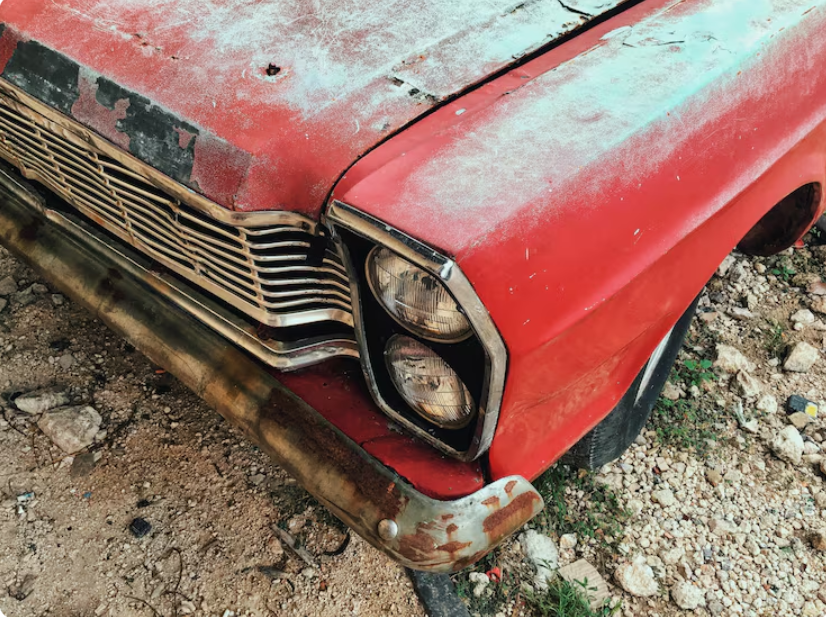
Rust is one of the most common and damaging issues older vehicles face over time. While many drivers initially view rust as only a cosmetic problem, corrosion can gradually affect structural strength, mechanical reliability, and long-term safety if left untreated.
Because vehicles are constantly exposed to moisture, road salt, and changing weather conditions, rust becomes increasingly difficult to avoid as cars age.
Rust Develops Through Moisture and Oxygen Exposure
Rust forms when metal reacts with:
-
Water
-
Oxygen
-
Salt
-
Humidity
Vehicles experience constant environmental exposure during everyday driving, especially underneath the car where moisture and debris collect most easily.
Over time, this exposure slowly weakens metal surfaces and protective coatings.
Once corrosion begins spreading, it often continues worsening unless repaired early.
Road Salt Accelerates Corrosion
Drivers in colder climates frequently encounter road salt during winter months.
Road salt helps melt snow and ice, but it also dramatically increases rust formation by trapping moisture against metal surfaces.
Areas especially vulnerable include:
-
Undercarriages
-
Brake lines
-
Suspension components
-
Wheel wells
-
Exhaust systems
Vehicles driven regularly through salted roads often develop corrosion much faster than vehicles operated in drier climates.
Paint Damage Allows Rust to Spread
Vehicle paint acts as a protective barrier against moisture and environmental exposure.
However, chips, scratches, and dents may expose bare metal underneath.
Common causes of paint damage include:
-
Gravel impacts
-
Minor accidents
-
Road debris
-
Harsh weather conditions
Once protective paint layers are damaged, moisture can begin reaching exposed metal surfaces and starting corrosion.
Small rust spots may eventually spread beneath surrounding paint if not repaired quickly.
Undercarriages Are Especially Vulnerable
Many serious rust problems begin underneath the vehicle where drivers rarely inspect regularly.
The undercarriage is constantly exposed to:
-
Water
-
Dirt
-
Salt
-
Mud
-
Road debris
Over time, corrosion may affect critical components such as:
-
Frame sections
-
Suspension mounts
-
Brake lines
-
Fuel lines
Because underbody rust often remains hidden initially, significant structural deterioration may develop before drivers realize the severity of the problem.
Exhaust Systems Commonly Rust First
Exhaust systems experience both moisture exposure and extreme heat cycles.
As vehicles age, exhaust components may develop corrosion involving:
-
Mufflers
-
Exhaust pipes
-
Heat shields
-
Mounting brackets
Rust-related exhaust damage often creates:
-
Louder engine noise
-
Rattling sounds
-
Exhaust leaks
-
Structural weakness
Older vehicles driven in wet or snowy environments are especially vulnerable to exhaust corrosion.
Rust Can Affect Vehicle Safety
Severe corrosion is more than a cosmetic issue.
Advanced rust may weaken:
-
Structural frame components
-
Suspension mounting points
-
Brake lines
-
Steering components
In serious cases, rust can compromise crash protection and overall driving safety.
Brake line corrosion is particularly dangerous because leaking or weakened lines may eventually fail under braking pressure.
Moisture Traps Increase Rust Risk
Certain areas of vehicles naturally collect moisture and debris over time.
Common moisture-trapping areas include:
-
Wheel wells
-
Door bottoms
-
Rocker panels
-
Trunk seams
-
Drain channels
If dirt and moisture remain trapped for extended periods, corrosion may gradually spread inside hidden sections of the vehicle body.
Many older vehicles develop internal rust long before exterior damage becomes visible.
Older Vehicles Often Develop Multiple Rust-Related Problems Together
As corrosion spreads, several systems throughout the vehicle may eventually become affected simultaneously.
An older vehicle with significant rust may also experience:
-
Suspension deterioration
-
Exhaust damage
-
Brake line corrosion
-
Structural weakness
-
Electrical grounding problems
Repair costs often increase rapidly once rust begins affecting both cosmetic and structural areas together.
Rust Repairs Can Become Expensive
Repairing corrosion properly often requires:
-
Cutting out damaged metal
-
Welding replacement sections
-
Repainting affected areas
-
Replacing weakened components
Extensive rust repair is labor-intensive and may quickly exceed the value of older high-mileage vehicles.
Because rust often spreads beyond visible areas, repair estimates sometimes increase after inspection reveals hidden structural damage.
Why Some Owners Delay Rust Repairs
Many drivers postpone rust repairs because the vehicle still appears functional overall.
Small rust spots may seem harmless initially, especially when the car continues driving normally.
However, untreated corrosion often spreads steadily over time and eventually affects additional systems throughout the vehicle.
When rust repairs combine with aging-related problems such as transmission wear, suspension issues, or electrical failures, continued ownership may become financially difficult to justify.
This is one reason some owners eventually explore alternatives such as Cash For Junk Cars once corrosion and repair costs begin outweighing the practical value of the vehicle.
Preventative Maintenance Helps Slow Rust Development
Drivers can significantly reduce rust formation through regular cleaning and preventative maintenance.
Helpful preventative practices include:
-
Washing road salt from the undercarriage
-
Repairing paint chips quickly
-
Keeping drain channels clear
-
Applying rust protection treatments
-
Inspecting underbody components regularly
Early maintenance often prevents small corrosion issues from becoming major structural problems later.
Final Thoughts
Older vehicles commonly develop rust problems because years of exposure to moisture, road salt, debris, and weather gradually weaken protective surfaces and metal components.
Understanding how corrosion develops helps drivers recognize warning signs earlier and maintain safer, longer-lasting vehicles over time.