analytics = 2162086661, 8446180908, 8339140595, 9723743675, 5854970092, 2106401338, 8556148530, 866-914-5806, 833-793-2634, 5707403282, 5593669389, 4079466257, 6516034340, 8602739995, 6467622601, 6613686621, 4158519136, 8008545695, 4432677476, 9563634374, 2125163415, 2185760900, 2678764652, 888-785-2471, 2564143214, 866.266.1445, 8884135452, 9513818121, 18003653234, 3126532073, 7188389317, 8778135595, 4072037536, 8005543257, 8445850485, 8776237433, 7408700172, 3176764193, 8778171290, 18662916365, 8884700655, 8323256490, 8334533103, 5402026871, 713-332-2838, 18007822200, 9548288000, +1 (833) 549-0783, 8889417233, 8004351415, 7158988041, 8669972398, 7636565847, 18336787020, 800-435-1415, 7158365720, 3183544193, 877-870-8046, 8663211171, 8779100501, 3023105047, 2702284043, 4805503229, +1 (833) 305-2354, 8632685839, 7146024983, 7343485117, 346-348-1275, 1-866-352-4737, 6039574000, 4844768500, 5043842543, +1 (866) 914-5806, 18004441676, 6097186615, 877 870 8046, 6264657788, 9792052311, 8552320669, 877-613-7414, 312-653-2073, 727-350-7593, 2145067189, 8559845121, 8727010185, 8776363716, 4089773512, 877 613 7414, 3144710080, 6126721631, 3362525901, 4692094556, 1-877-870-8046, 7278121008, 9789384194, 8665933926, 2173264646, 8889952145, 8662384951, 8442677109, 6013454780, 2539871615, 18337632033, 18003105587, 6014881074, 8777335189, 18002255618, 18772047996, 8448268400, 18886166411, 7632743899, 8553066939, 2014623980, 2409651641, 18882662278, +1 (312) 653-2073, 8442166101, 8664940134, 8884640727, 7172968088, +1 (877) 647-8551, 5025155312, 18666201302, 5034036122, 8608072240, 2489194318, 6022213938, 3852617139, 8002752036, 214-226-9139, 18885826870, 2105200146, 7377074616, 8883922907, +1 (866) 593-3926, 8777708065, 9512237966, 8005564146, +1 (320) 207-5189, 8887852471, 877-770-8065, 18773206816, 866-593-3926, 6023469986, 7158584968, 7178516667, 8552286631, 6128155000, 8008300286, 8556870290, 8883731969, 2163489700, 480-550-3229, 5184575434, 619-937-3483, +1 (855) 306-6939, +1 (888) 993-2902, 8774174551, 5135696117, 201-462-3963, +1 (855) 283-3957, +1 (540) 546-0824, 8447668319, 8774352371, 2288684025, 888-899-6650, +1 (847) 426-9203, 18009460332, +1 (800) 530-3790, +1 (888) 994-2320, 877-910-0501, 877-417-4551, +1 (516) 566-0134, 855-306-6939, 9725036559, 8889932902, 4014446877, 18004321000, 844-292-8615, 6199373483, 8559731040, 18009220204, 8889346489, 8556154878, +1 (781) 566-8000, 8333725815, 8314240606, +1 (619) 354-3046, 8664306105, 9194317400, 888 266 2278, 2105201454, 7032558062, 8166310333, 9195150516, 8555227663, 888-250-7027, +1 (877) 647-8552, +1 (888) 609-0793, 402-220-1248, 210 520 0457, 206-453-2329, +1 (888) 373-1969, 4048064811, 18006424720, 210-520-0457, +1 (888) 611-6904, 18009432189, +1 (281) 670-1575, 1-888-936-4968, 877-557-0506, 402-935-7733, 855-419-7365, 8882662278, 206 453 2329, 8004468848, 877-366-1520, 8553308653, 8009220204, 888 934 6489, +1 (800) 845-6167, 8776918086, 801-413-7200, 8009552292, 4077322416, +1 (888) 892-2253, 407-732-2416, 18009378997, +1 (407) 732-2416, 866-535-9492, 206-922-0880, 248-434-5508, +1 (312) 380-4033, +1 (800) 528-4800, 800-782-8332, 800-937-8997, 8002882020, +1 (800) 946-0332, 8006424720, 8557077328, +1 (206) 922-0880, +1 (800) 860-0644, +1 (800) 823-2318, 404-806-4811, +1 (800) 955-6600, 260/300, 4845263150, 1-800-745-7354, 833-267-6094, 1-833-763-2033, 8888922253, 650-203-0000, 8337351894, 8889187313, 8008722657, po box 247001, 8005433562, 800-882-8880, 844-227-5237, 8002274825, 8776478552, 8663486231, 855-330-8653, 8009888019, 8002446224, 800-692-7753, 2069220880, 800-463-3339, 8882211161, 402 935 7733, 1-800-950-5114, 763-274-3899, 855 337 6884, 800-457-4708, +1 (866) 348-6231, 8442069035, 8882507027, 800-711-4555, 888-802-3080, 8002822881, 847-426-9203, 8888023080, 1-800-922-0204, adacanpm, 8474268085, 18008693557, 8337351891, 18003182596, 8559422422, 7816949000, 800-922-0204, 8004517269, 800 922 0204, 8009557070, 6148901025, 800-288-2020, +1 (855) 337-6884, 800-823-2318, 8882224227, 888-266-2278, 3055992600, 1-888-266-2278, 8005606169, 18007332767, 8664300311, 1-800-955-6600, 800-292-7508, 8773945975, 8887467726, 800-331-0500, 8009556600, 8009460332, 7815668000, 1-888-550-5252, 1-800-774-2678, 800-955-6600, 888-611-6904, 8007332767, 1-800-869-3557, 800-275-2273, 800-860-0644, 1-800-956-4442, 2816701575, 8008520411, 781-566-8000, 7708507450, 866 712 7753, 866-712-7753, 1-800-432-3117, 800-845-6167, 3123804033, 410-965-1234, 18008232318, 800-227-4825, 800-433-7300, 8665359492, 312-380-4033, 888-934-6489, 513-831-2600, 800-397-3342, 855-973-1040, 855-707-7328, 1-800-289-6229, 1-800-227-4825, 800-925-6278, 8888996650, 855-282-6353, 800 955 6600, 800-446-8848, 8004321000, 8662581104, 4029357733, 1-800-946-0332, 8009666546, 1-800-435-4000, 305-599-2600, 1-877-430-2355, 833-574-2273, 1-800-937-8997, 8882804331, 1-800-642-4720, 1-800-925-6278, 800-733-2767, 888-469-4520, 855-427-4682, 800-282-2881
Author

Billie

Under Stair Storage Ideas

Under Stair Storage Ideas are transforming the way homeowners utilize overlooked spaces. That awkward triangular area beneath the staircase often goes unused, yet with creativity, it can become one of the most functional parts of a home. Choosing Under Stair Storage Ideas means embracing smart design, maximizing space, and adding character to interiors.

Imagine a family living in a compact city apartment. Instead of letting the space under their stairs collect dust, they install drawers for shoes, shelves for books, and a cozy reading nook. Guests admire the clever design, while the family enjoys the convenience. That’s the charm of Under Stair Storage Ideas—turning wasted space into practical beauty.

The Rise of Under Stair Storage Ideas

The popularity of Under Stair Storage Ideas has surged as modern homes demand efficiency. With urban living spaces shrinking, homeowners are seeking innovative ways to maximize every corner. Designers now treat staircases not just as functional structures but as opportunities for hidden storage and creative design.

From minimalist apartments to sprawling villas, Under Stair Storage Ideas are becoming a hallmark of smart living. They reflect a growing preference for solutions that combine practicality with style.

Why Under Stair Storage Ideas Matter

The importance of Under Stair Storage Ideas lies in their ability to transform unused areas. Instead of cluttered hallways or overflowing closets, homeowners can create organized spaces beneath stairs. These designs reduce mess, enhance accessibility, and add unique charm to interiors.

Consider a couple renovating their home. By adopting Under Stair Storage Ideas, they design a wine rack beneath the staircase, turning a forgotten corner into a stylish feature. Their choice isn’t just practical—it’s transformative, making their home feel elegant and efficient.

Skills Every Under Stair Storage Ideas Designer Needs

To thrive with Under Stair Storage Ideas, designers must combine creativity with technical expertise. It’s not just about filling space—it’s about crafting solutions that balance beauty and utility.

Precision

A Under Stair Storage Ideas designer ensures compartments fit seamlessly, avoiding wasted inches.

Design Awareness

Colors, finishes, and layouts matter. A Under Stair Storage Ideas approach uses design to elevate aesthetics.

Material Knowledge

Understanding wood, laminates, and hardware is crucial. A Under Stair Storage Ideas expert knows how to achieve durability without compromising beauty.

Client Collaboration

Customization is key. A Under Stair Storage Ideas professional works closely with clients to bring visions to life.

Under Stair Storage Ideas in Modern Living

Modern living thrives on convenience, and Under Stair Storage Ideas align perfectly. Pull-out drawers, hidden cabinets, and modular shelving make staircases both efficient and stylish. These solutions integrate seamlessly into daily routines, enhancing comfort and functionality.

Take pet owners, for example. A true Under Stair Storage Ideas choice ensures a cozy kennel beneath the stairs, giving pets their own space while keeping the home organized. This intentionality builds efficiency and warmth.

Real-Life Example: The Power of Creative Storage

Consider Aarav, a homeowner in Jaipur. He wanted his duplex to feel spacious and organized. By investing in Under Stair Storage Ideas—shoe drawers, a mini library, and a hidden pantry—he achieved both. Guests admired the clever design, while Aarav enjoyed the peace of mind that his belongings were neatly stored.

Aarav’s journey shows how Under Stair Storage Ideas can transform homes. It’s not just about storage—it’s about lifestyle and identity.

Challenges of Under Stair Storage Ideas

The journey isn’t always easy. Under Stair Storage Ideas can be costly upfront, and not all suppliers offer high-quality designs. Some homeowners face challenges with customization or durability. Yet these obstacles highlight the importance of research and planning.

Overcoming challenges requires persistence. Families who commit to Under Stair Storage Ideas often find that the long‑term benefits outweigh the initial hurdles.

Future of Under Stair Storage Ideas

The future of Under Stair Storage Ideas is promising. With advancements in technology, designs will become more customizable and eco‑friendly. Smart features like integrated lighting, modular compartments, and sustainable materials will make stair storage even more innovative.

Imagine a staircase that adapts to your lifestyle, offering hidden compartments for seasonal items or digital locks for valuables. That’s where Under Stair Storage Ideas are headed—toward smarter, greener living.

Becoming an Under Stair Storage Ideas Advocate Today

Starting with Under Stair Storage Ideas is simple. Begin by exploring options that suit your style and budget. Choose designs that complement your interiors, and invest in quality craftsmanship. Over time, these choices build a lifestyle of elegance and efficiency.

The best Under Stair Storage Ideas advocates don’t just enjoy their storage—they inspire others. They understand that smart living isn’t about perfection; it’s about progress. When your home reflects resilience and artistry, you’ve succeeded in embracing Under Stair Storage Ideas.

Read also :-

18773206816
4072037536
+1 (877) 770-8065
5128465056

0 comment
0 FacebookTwitterPinterestEmail
Robotics Automation

Robotics Automation is revolutionizing industries by combining mechanical precision with artificial intelligence to streamline processes and enhance productivity. Imagine a Jaipur-based manufacturing unit that once relied heavily on manual labor for repetitive tasks. By adopting robotics automation, the company reduced errors, increased efficiency, and empowered workers to focus on creative problem-solving. This journey reflects how robotics automation is reshaping modern business landscapes.

Why Robotics Automation Matters

In today’s competitive environment, robotics automation provides efficiency, accuracy, and scalability. It allows businesses to automate repetitive tasks, reduce costs, and improve safety.

Consider a logistics company that uses robotics automation to manage warehouse operations. Robots handle sorting and packaging, ensuring faster deliveries and fewer mistakes. This practicality highlights why robotics automation matters across industries.

The Evolution of Robotics Automation

The concept of robotics automation has evolved dramatically. Early robots focused on simple mechanical tasks, while today’s systems integrate AI, sensors, and machine learning. From assembly lines to healthcare, robotics automation has expanded possibilities.

Think of automotive factories where robots assemble vehicles with precision. Evolution shows that robotics automation thrives on innovation and adaptability.

Storytelling in Robotics Automation

Stories drive connection, and robotics automation often comes alive through real-life journeys. A hospital in India adopted robotic systems for surgeries, improving accuracy and reducing recovery times. Another entrepreneur leveraged robotics automation to manage food delivery, ensuring consistency and speed.

These examples highlight that robotics automation is not just about machines—it’s about transforming lives and industries.

Technology and Robotics Automation

Technology fuels robotics automation, making it interactive and intelligent. Sensors, cloud platforms, and AI-driven algorithms analyze data, providing personalized solutions.

For example, robots in agriculture monitor soil conditions and automate harvesting, ensuring sustainability. Technology ensures that robotics automation remains practical, efficient, and future-ready.

Robotics Automation and Workforce Transformation

Workforce transformation defines success. Robotics automation thrives when employees collaborate with machines, focusing on creativity and strategy. Communities form around industries, sharing best practices and innovations.

Consider a factory where workers supervise robotic systems instead of performing repetitive tasks. Their roles evolve into management and innovation, proving that robotics automation succeeds because it empowers humans.

Real-Life Example: The Local Innovator

A Jaipur-based entrepreneur once struggled with managing production costs. By adopting robotics automation, she streamlined manufacturing, reduced waste, and improved quality. Soon, her business gained recognition, proving how robotics empowers small enterprises to compete globally.

Global Trends in Robotics Automation

Globalization has expanded robotics automation. Companies worldwide integrate robots into workflows, from healthcare to logistics. Cross-border collaborations ensure diverse solutions, enriching user experiences.

Hospitals use robotics automation for surgeries, while retailers design smarter supply chains. This interconnectedness proves that robotics automation is shaping industries universally.

Future of Robotics Automation

The future of robotics automation lies in personalization, sustainability, and immersive experiences. AI-driven platforms will design customized workflows tailored to user preferences. Virtual reality integration will simulate real-world environments. Ethical practices will ensure fairness and inclusivity.

Imagine attending a VR workshop where robotics automation helps you design products in real time. Or AI-driven systems predicting customer needs and adjusting strategies automatically. These innovations prove that robotics automation is evolving to meet tomorrow’s challenges.

Read also:-

0.6 450wlampmip
photoacompn
pielolitiase
what is b2k-zop3.2.03.5 model
design of xevotellos model brand

0 comment
0 FacebookTwitterPinterestEmail
Snap Streaks

Snap Streaks are one of the most addictive and engaging features on Snapchat. They represent the number of consecutive days two friends have sent snaps to each other. For many, maintaining Snap Streaks is more than just a fun challenge—it’s a symbol of friendship, consistency, and connection in the digital age.

Imagine waking up and sending a quick snap just to keep the streak alive. It might be a photo of your morning coffee or a silly face, but it carries meaning. That’s the power of Snap Streaks—they turn small daily actions into a shared ritual between friends.

The Rise of Snap Streaks

The popularity of Snap Streaks has grown since Snapchat introduced them. What started as a simple gamified feature quickly became a cultural phenomenon. Friends compete to see who can maintain the longest streak, sometimes lasting hundreds or even thousands of days.

This rise reflects the human desire for connection. In a world where digital communication often feels fleeting, Snap Streaks provide a sense of continuity and commitment.

Why Snap Streaks Matter

The importance of Snap Streaks lies in their emotional value. They aren’t just numbers—they represent effort, consistency, and friendship. For many, losing a streak feels like losing a piece of their bond.

Consider two best friends who live in different cities. They may not meet often, but their Snap Streaks keep them connected daily. Each snap is a reminder that they’re thinking of each other, even from miles away.

Skills Every Snap Streaks Keeper Needs

To maintain Snap Streaks, one must combine discipline with creativity. It’s not just about sending snaps—it’s about keeping the connection alive.

Consistency

A Snap Streaks keeper knows the importance of daily effort. Missing a day means losing the streak, so consistency is key.

Creativity

Sending the same snap every day can get boring. A true Snap Streaks enthusiast adds variety—funny selfies, quick updates, or creative filters.

Communication

Beyond streaks, snaps are a form of communication. A Snap Streaks keeper uses them to share moments, emotions, and stories.

Commitment

Maintaining long streaks requires commitment. It’s not just about the streak—it’s about valuing the relationship behind it.

Snap Streaks in Social Media Culture

Social media thrives on engagement, and Snap Streaks are a perfect example. They encourage daily interaction, keeping users active and connected. For many, streaks become part of their routine, almost like brushing their teeth or checking emails.

Take high school students, for instance. Many maintain dozens of Snap Streaks simultaneously, using them as a way to stay connected with their entire social circle. It’s not just about friendship—it’s about belonging.

Real-Life Example: The Power of Snap Streaks

Consider Priya, a college student. She and her best friend started a streak during their first semester. Years later, even after moving to different countries, they still maintain it. Their Snap Streaks became a symbol of their bond, reminding them daily of their friendship.

Priya’s story shows how Snap Streaks can go beyond fun—they can become emotional anchors in relationships.

Challenges of Maintaining Snap Streaks

The journey isn’t always easy. Snap Streaks can be lost due to busy schedules, technical glitches, or simple forgetfulness. For some, the pressure to maintain streaks can even feel overwhelming.

Yet these challenges also highlight the importance of balance. A healthy approach to Snap Streaks means enjoying them without letting them become stressful.

Future of Snap Streaks

The future of Snap Streaks is promising. As Snapchat evolves, streaks may integrate with new features like augmented reality, gamified rewards, or personalized reminders. Imagine streaks that include shared AR experiences or collaborative stories.

The Snap Streaks of tomorrow will continue to symbolize connection, but with even more creative possibilities.

Becoming a Snap Streaks Enthusiast Today

Starting with Snap Streaks is simple. Choose a friend, send snaps daily, and build the habit. Over time, the streak becomes a shared ritual, strengthening bonds and creating memories.

The best Snap Streaks aren’t about numbers—they’re about relationships. When your streaks reflect genuine connection, you’ve succeeded as a true Snap Streaks keeper.

Read also :-
0 comment
0 FacebookTwitterPinterestEmail
IPL injury replacement news

IPL injury replacement news is often the most dramatic part of the tournament, shaping strategies and altering team fortunes overnight. Injuries are inevitable in a high-intensity league like the IPL, but the replacements chosen by franchises often become the turning points of the season.

I still remember the 2020 season when Delhi Capitals lost Ishant Sharma early. His replacement, Anrich Nortje, not only filled the gap but became one of the most feared fast bowlers of the tournament. That’s the beauty of injury replacements—they can transform setbacks into opportunities.

Why IPL Injury Replacement News Matters

Fans follow matches for entertainment, but the IPL injury replacement news adds another layer of drama. A star player’s injury can derail a team’s campaign, while a smart replacement can revive it.

Without these updates, fans would miss the behind-the-scenes decisions that shape the league. From medical reports to scouting replacements, every headline carries weight.

Recent Highlights in IPL Injury Replacement News

The 2026 season has already seen notable injury updates. Several franchises have had to reshuffle their squads, bringing in replacements from domestic circuits and overseas leagues.

The IPL injury replacement news has spotlighted young talents stepping into big shoes, proving that the league is as much about opportunity as it is about stardom.

Real-Life Example: Rajasthan Royals’ Bold Call

Rajasthan Royals have often been at the center of injury drama. In past seasons, when key overseas players were ruled out, the franchise turned to uncapped Indian talent. One such replacement, Kartik Tyagi, impressed with his pace and accuracy, earning praise from legends.

Stories like these show how the IPL injury replacement news isn’t just about setbacks—it’s about discovering future stars.

How IPL Injury Replacement News Shapes Fan Experience

Fans thrive on updates. When a star like Andre Russell or Hardik Pandya is sidelined, social media explodes with speculation about replacements. The IPL injury replacement news keeps fans engaged, fueling debates about whether the chosen player can deliver under pressure.

It’s this constant buzz that makes the IPL more than just a tournament—it’s a narrative unfolding in real time.

Technology and IPL Injury Replacement News

Modern platforms ensure fans get instant updates. Apps and websites now provide injury reports, replacement announcements, and even performance tracking of substitutes.

The IPL injury replacement news has become interactive, allowing fans to analyze how replacements impact match outcomes and team strategies.

Global Reach of IPL Injury Replacement News

The IPL attracts talent from across the world, and injury replacements often involve overseas players. From Caribbean power-hitters to Australian pacers, the IPL injury replacement news reflects the league’s global nature.

Fans worldwide tune in not just for matches but for these updates, showing how the IPL transcends borders.

Future of IPL Injury Replacement News

With AI and AR, injury updates will soon be more immersive. Imagine receiving real-time alerts about a player’s fitness or watching a replacement’s stats projected in your living room.

The future promises a richer, more engaging way to experience the IPL injury replacement news, keeping fans closer to the action than ever.

Final Word on IPL Injury Replacement News

Injury replacements are not just about filling gaps—they’re about rewriting stories. They show how teams adapt, how players seize opportunities, and how cricket continues to surprise us. For fans, analysts, and players, the IPL injury replacement news is the pulse of the league, shaping every season’s narrative.

Read also :-
0 comment
0 FacebookTwitterPinterestEmail
Knockout Stage Predictions

Knockout Stage Predictions Unveiled

by Billie

Knockout Stage Predictions are among the most exciting discussions in football, sparking debates and anticipation as fans, analysts, and players look ahead to decisive matches. Unlike group stages, where consistency matters most, knockout rounds are about survival, strategy, and seizing the moment. For many, predicting outcomes is not just about statistics—it’s about passion, intuition, and the thrill of imagining dramatic finishes.

The charm of knockout football lies in its unpredictability. Whether it’s a powerhouse facing an underdog or two evenly matched rivals clashing, every game carries the weight of elimination. Fans eagerly wait for predictions, knowing they can shape narratives before the ball is even kicked.

Why Knockout Stage Predictions Matter

The Knockout Stage Predictions trend reflects the global obsession with football analysis. Managers prepare tactical plans, fans debate lineups, and analysts break down strengths and weaknesses. Predictions provide a framework for understanding how matches might unfold.

For supporters, this means excitement and anticipation. For teams, it provides motivation and focus. This makes knockout predictions essential for modern football culture.

Key Features of Knockout Stage Predictions

When exploring Knockout Stage Predictions, several features stand out. Tactical formations often determine outcomes, with managers adjusting strategies to counter opponents. Player fitness plays a crucial role, as injuries can shift momentum.

Historical rivalries add drama, while penalty shootouts remain the ultimate test of nerve. Each feature reflects the complexity of predicting knockout football.

Knockout Stage Predictions in Major Tournaments

Major tournaments increasingly showcase Knockout Stage Predictions as defining moments. World Cup knockouts often feature dramatic upsets, while continental competitions like the Euros or Copa América highlight tactical battles. Nations prepare meticulously, knowing one mistake can end their journey.

For daily followers, predictions provide excitement and anticipation. They ensure that tournaments remain engaging and globally relevant.

Knockout Stage Predictions for Underdogs

Underdogs experience Knockout Stage Predictions differently. Fans often debate whether they can pull off surprises against stronger opponents. Managers rely on discipline and counterattacks, hoping to exploit weaknesses.

For example, a rising nation might recall the thrill of shocking a favorite in a knockout match. These experiences highlight the emotional impact of predictions on football culture.

Stories of Knockout Stage Predictions

Many individuals share personal stories about their experiences with Knockout Stage Predictions. A college student recalls correctly predicting his national team’s upset victory, appreciating how it boosted his confidence. A young couple remembers debating predictions before a derby, valuing the fun it brought to their weekend. A professional analyst shares how accurate predictions helped him gain credibility among fans.

These stories highlight the versatility and impact of predictions in everyday football culture.

Tips for Following Knockout Stage Predictions

Using Knockout Stage Predictions requires perspective. Following credible sources ensures accuracy. Reviewing team form helps anticipate outcomes. Understanding manager tendencies provides insights into tactical decisions.

Combining predictions with live updates creates balance. Tracking matches through apps keeps fans informed. With thoughtful engagement, predictions become powerful tools for football enjoyment.

Cultural Significance of Knockout Stage Predictions

While Knockout Stage Predictions are modern, they carry cultural significance by democratizing football analysis. In many regions, fans lacked access to tactical insights. Predictions bridge this gap by offering transparency, debate, and engagement.

By embracing predictions, societies promote inclusivity and passion. This blend of analysis and culture makes knockout discussions a meaningful part of football worldwide.

Embracing the Future of Football Coverage

The Knockout Stage Predictions movement reflects a broader embrace of tactical analysis in everyday life. Just as people rely on apps for shopping, fitness, and entertainment, football coverage evolves to match modern needs.

Predictions prove that excitement doesn’t always require official results. Sometimes, a well-informed forecast creates more impact than conventional coverage. This philosophy resonates with today’s generation, making knockout predictions a timeless trend in football culture.

Read also :-

northeast united fc vs roundglass punjab fc lineups
chennaiyin fc vs kerala blasters lineups
chennaiyin fc vs mumbai city fc stats
bologna fc vs inter milan lineups
real madrid – girona futbol club : composition
chennaiyin fc vs hyderabad fc standings

0 comment
0 FacebookTwitterPinterestEmail
Best time to visit Andaman Islands

Best time to visit Andaman Islands is a question every traveler asks before planning their tropical escape. Known for its turquoise waters, pristine beaches, and rich marine life, the Andaman Islands are a paradise for explorers, honeymooners, and families alike. Yet, the timing of your journey plays a crucial role in shaping your experience.

The islands offer a mix of adventure, relaxation, and cultural immersion. From scuba diving in coral reefs to exploring historic sites like Cellular Jail, every activity feels more rewarding when planned during the right season.

Why the Best Time to Visit Andaman Islands Matters

Understanding the best time to visit Andaman Islands is essential because the region’s tropical climate can vary significantly. The islands experience three main seasons: summer, monsoon, and winter. Each season has its own charm, but knowing which aligns with your preferences ensures a smoother and more enjoyable trip.

Clear skies, calm seas, and pleasant temperatures make certain months ideal for water sports and sightseeing. On the other hand, monsoon brings lush greenery but also heavy rains, which may limit outdoor activities.

Winter Season: The Ideal Choice

For most travelers, winter is considered the best time to visit Andaman Islands. From October to March, the weather is pleasant, with temperatures ranging between 20°C and 30°C.

Imagine walking barefoot on Radhanagar Beach, often ranked among the world’s best, while enjoying cool breezes. Scuba diving and snorkeling thrive during this season, with excellent underwater visibility. Families find this period perfect for sightseeing, while honeymooners enjoy romantic sunsets without the discomfort of heat or rain.

Winter also coincides with festivals and local events, adding cultural vibrancy to your trip.

Summer Season: Warm but Enjoyable

Summer, from April to June, can still be the best time to visit Andaman Islands for those who enjoy warm weather. Temperatures rise to around 35°C, but sea breezes keep conditions comfortable.

This season is excellent for water sports like parasailing, jet skiing, and kayaking. Adventure seekers often prefer summer, as the seas remain calm and activities are widely available.

While afternoons can be hot, mornings and evenings are pleasant, making it possible to balance relaxation with exploration.

Monsoon Season: A Different Perspective

The monsoon, from July to September, is less popular but can still be the best time to visit Andaman Islands for certain travelers. Heavy rains limit water sports, but the islands transform into lush green landscapes.

Budget-conscious travelers often choose this season, as accommodations and flights are cheaper. The fewer crowds also mean quieter beaches and more intimate experiences. For those who enjoy solitude and photography, monsoon offers dramatic skies and vibrant scenery.

However, travelers should be prepared for occasional disruptions due to weather conditions.

Adventure Activities and Seasonal Highlights

Adventure lovers often plan their trips around the best time to visit Andaman Islands for specific activities. Scuba diving and snorkeling are best during winter and summer, when visibility is high. Trekking through limestone caves or exploring mangroves is also more enjoyable in dry months.

Fishing, island hopping, and glass-bottom boat rides thrive during calm seas. Each season offers unique highlights, but aligning your trip with your favorite activities ensures maximum enjoyment.

Family-Friendly Travel

Families often wonder about the best time to visit Andaman Islands with children. Winter is ideal, as outdoor attractions like Ross Island, Chidiya Tapu, and beach outings are more comfortable. Resorts also provide family-friendly amenities, ensuring convenience and entertainment for all ages.

Traveling during school holidays may mean larger crowds, but the lively atmosphere adds to the excitement. Families seeking quieter experiences may prefer shoulder months like October or March, when the weather is pleasant but crowds are thinner.

Honeymoon and Romantic Escapes

Couples planning romantic getaways often ask about the best time to visit Andaman Islands. Winter and early summer provide idyllic settings for beachside dinners, private villa stays, and sunset cruises. Havelock Island’s serene retreats and Neil Island’s secluded beaches cater to romance seekers.

Even during monsoon, couples can enjoy cozy villa experiences, spa treatments, and cultural excursions. The islands’ charm ensures that romance thrives year-round, but dry months offer the most picture-perfect moments.

Budget Travel Considerations

For budget-conscious travelers, the best time to visit Andaman Islands may be during the monsoon. Lower demand means cheaper flights, discounted accommodations, and fewer crowds at popular attractions.

Travelers willing to embrace occasional rain showers can enjoy the islands at a fraction of the cost. Backpackers and digital nomads often prefer this season, as it allows longer stays without straining budgets.

Budget travel is not about compromise—it’s about creativity. The Andaman Islands’ affordability during monsoon makes them accessible to more travelers.

Stories from Travelers

Many visitors share memorable experiences tied to the best time to visit Andaman Islands. A diver recalls exploring coral reefs in January with crystal-clear visibility. A family remembers their children’s joy at spotting exotic birds in Chidiya Tapu during March. A couple treasures their romantic beachside dinner in May, while a solo traveler cherishes the solitude of monsoon mornings in August.

These stories highlight that the islands’ magic is not limited to one season. Each time of year offers unique experiences, ensuring that every trip feels special.

Embracing Andaman Year-Round

The best time to visit Andaman Islands ultimately depends on your preferences. Whether you seek sunshine, cultural immersion, adventure, or solitude, the islands deliver. Their diverse offerings ensure that every traveler finds something meaningful, regardless of the season.

From winter adventures to monsoon tranquility, the Andaman Islands remain a destination that captivates hearts year-round. Choosing the right time simply enhances the journey, making your trip unforgettable.

Read also :-

4384025079
3069103454
4033510020
6042960214

0 comment
0 FacebookTwitterPinterestEmail
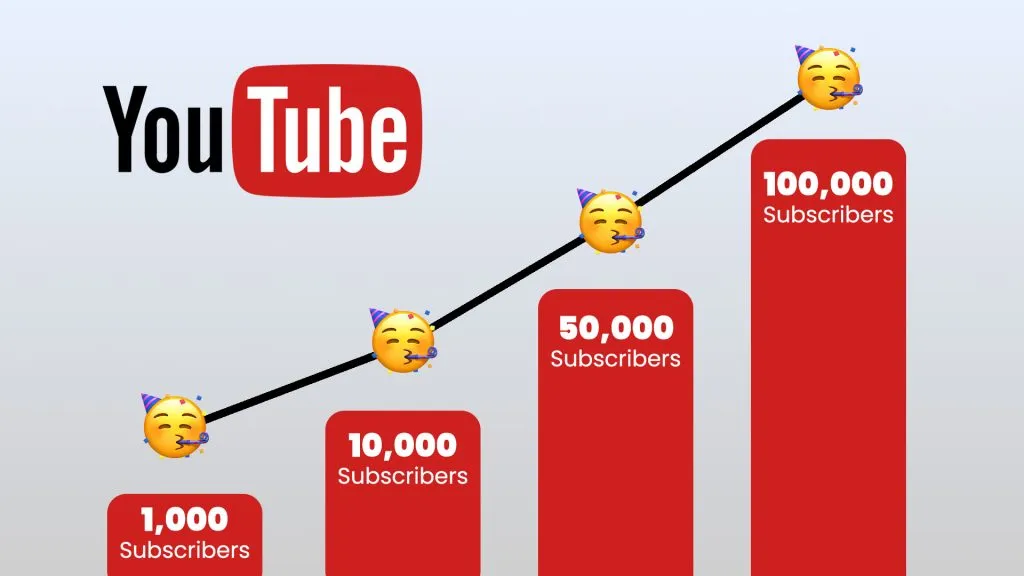
Channel Growth

Channel Growth is the primary objective for almost every aspiring creator who picks up a camera or starts a live stream in the modern digital era. When you first launch a profile, the silence can be deafening, and the initial lack of engagement often feels like a personal critique of your creative abilities. However, expanding a digital presence is rarely about raw talent alone; it is a calculated game of patience, psychological understanding, and technical iteration. Whether you are building a repository of educational videos or a fast-paced entertainment hub, the principles of expansion remain remarkably consistent across every major social platform.

I remember a specific creator I consulted with who had spent three years posting high-quality travel documentaries to a total of fifty subscribers. They were doing everything right on paper—high resolution, great music, and beautiful locations—but they were missing the fundamental mechanics of the algorithm. Once we shifted their focus from “making beautiful things” to “solving specific audience cravings,” their trajectory changed overnight. This shift in perspective is often the missing link between a stagnant profile and a thriving, self-sustaining community that grows while you sleep.

Understanding the current landscape of digital media requires us to look past the vanity metrics of likes and followers and toward the more substantial metric of retention. If you can keep a human being engaged for more than sixty seconds in a world designed to distract them every three seconds, you have already won half the battle. This guide will explore the nuanced strategies that allow for sustainable expansion without sacrificing your mental health or your creative integrity in the process.

The Foundational Psychology Behind Channel Growth

To achieve consistent Channel Growth, you must first understand why people choose to hit the subscribe or follow button in the first place. It is rarely because they liked a single piece of content; it is because that piece of content made a promise that future content would be equally valuable. A subscription is essentially a social contract where the viewer says they trust you to continue providing entertainment, education, or inspiration. If your content is too broad or inconsistent, that trust is never established because the viewer doesn’t know what they are signing up for.

The most successful creators are those who have identified a “Power of One” niche. They focus on one specific person, solving one specific problem, with one specific style of delivery. When you try to appeal to everyone, you end up appealing to no one. By narrowing your focus, you actually make it easier for the platform’s algorithm to identify who your content is for. Once the algorithm finds a small group of people who love your work, it will naturally begin to test your content with larger, similar audiences, creating a snowball effect.

This psychological connection is further deepened by the concept of “parasocial relationships.” Viewers want to feel like they know you, especially in a world that often feels cold and impersonal. Sharing your failures, your learning process, and your unfiltered thoughts creates a sense of intimacy that high-production values cannot replicate. People do not follow logos or faceless entities as much as they follow human stories. Your personality is the only thing your competitors cannot copy, making it your most significant competitive advantage.

Strategies for Sustainable Channel Growth

One of the most effective ways to trigger Channel Growth is to move from a “search-based” strategy to a “suggestion-based” strategy. While ranking for specific keywords in a search bar is a great way to get your first few hundred views, the real explosive expansion happens when the platform begins to suggest your work to people who weren’t even looking for you. This happens when your click-through rate and your average view duration are significantly higher than the average in your niche. You are essentially proving to the platform that your content keeps users on the app longer.

Another key strategy involves the “community-first” approach, where you treat your comment section as a living, breathing social space rather than a static feedback box. When you respond to early comments, you are not just being polite; you are signaling to the audience that their participation matters. This encourages more people to comment, which in turn signals to the algorithm that the content is sparking a conversation. High engagement rates are a primary driver of visibility, and visibility is the engine of new subscriber acquisition.

Collaboration is also a powerful but often misunderstood tool for expansion. Many creators make the mistake of asking for collaborations with people much larger than themselves, which rarely works. The better approach is “horizontal collaboration” with creators at a similar level but with a slightly different audience. This allows for a mutual exchange of followers who are already primed to enjoy content in your niche. It is a win-win scenario that builds industry relationships and provides a fresh perspective for your existing viewers.

The Role of Analytics in Channel Growth

If you want to treat your creative journey as a career, you must become comfortable with the data provided in your backend analytics. Successful Channel Growth is often the result of small, incremental improvements based on what the numbers are telling you. For instance, if you notice a massive drop-off in viewership at the twenty-second mark of every video, you have a problem with your “hook.” If your views are high but your subscriber conversion is low, you have a problem with your value proposition or your call to action.

One of the most important metrics to watch is the “Returning Viewers” stat. While getting new people into your ecosystem is important, keeping them there is what builds a brand. If you have a high number of new viewers but very few are coming back for a second or third video, your content might be too “clickbaity” or lacking in depth. A healthy profile shows a steady balance of new discovery and loyal returnees. This balance ensures that your growth is built on a solid foundation of fans rather than just temporary viral spikes.

A/B testing is another professional-level technique that can significantly impact your trajectory. Many platforms now allow you to test different thumbnails or titles to see which one performs better in real-time. This takes the guesswork out of your strategy. Instead of wondering if a certain color or facial expression works better, you can let the audience tell you with their clicks. Over months and years, these small optimizations add up to a massive difference in total reach and influence.

Technical Optimizations and Metadata Mastery

While the “human” side of content is the most important, the technical side cannot be ignored if you want to maximize your reach. Metadata—including titles, descriptions, and tags—acts as a roadmap for the platform’s AI. It tells the system exactly what the content is about so it can be placed in front of the right eyeballs. However, modern SEO is less about “keyword stuffing” and more about “semantic relevance.” You want to use natural language that describes the value of the video while including terms people naturally use when searching.

The thumbnail is perhaps the most important technical element of your entire presence. It is the packaging of your product. Even the best video in the world will fail if no one clicks on the thumbnail. A professional approach to thumbnails involves high contrast, clear subjects, and an element of curiosity or “open loop” that makes the viewer want to find out more. The goal is to stop the scroll. Once you have stopped the scroll, the title’s job is to confirm that the click will be worth the viewer’s time.

Consistency in your upload schedule is also a technical signal to the platforms that you are a reliable creator. When you post at a regular interval, you are essentially training your audience to expect you at a certain time. This leads to higher initial engagement when a video drops, which helps the platform’s “velocity” check. If a video gets a lot of views in its first hour, the algorithm is much more likely to push it out to a wider audience. Consistency is not about being a slave to the platform; it is about providing a predictable experience for your community.

The Shift from Content to Community

The most resilient creators are those who have successfully moved their audience from being “viewers” to being “members.” A community is far more powerful than a fan base because a community interacts with itself. When your followers start talking to each other in your comments or on your Discord server, you have created a social home. This level of engagement creates a barrier to entry for competitors because your followers aren’t just there for the content; they are there for the people and the shared identity.

To foster this, you should use inclusive language like “we” and “our” rather than “I” and “me.” Give your community a name. Create inside jokes and recurring segments that make newcomers feel like they are entering a special club. When you acknowledge your long-time supporters by name during a stream or in a shout-out, you are reinforcing the idea that they are a vital part of the journey. This sense of belonging is a powerful human need that keeps people coming back for years, regardless of what the latest trend is.

Monetization and growth are also deeply linked through community support. When you have a loyal tribe, they are often willing to support you through memberships, merchandise, or direct donations. This financial stability allows you to reinvest in higher-quality production, better research, and more time for creation, which in turn leads to more growth. It is a virtuous cycle where the community funds the growth, and the growth provides more value back to the community.

Navigating the Plateaus of Digital Expansion

Every creator will eventually hit a growth plateau where the numbers stop moving or even start to dip. This is a natural part of the lifecycle of any digital brand. It often happens when your current format has reached its maximum potential audience or when the market has become saturated with similar content. During these times, it is essential to stay calm and avoid the temptation to make radical, desperate changes. Instead, use this as an opportunity for “re-invention.”

Re-invention might mean updating your visual style, exploring a slightly different angle of your niche, or trying a new content format like short-form video. The digital landscape is always evolving, and what worked two years ago might not work today. A plateau is usually a sign that it is time to evolve. Look at your analytics to see what parts of your content are still performing well and where the interest is fading. Small pivots are often more effective than complete overhauls.

Mental health and burnout are also major factors during these periods. The pressure to maintain Channel Growth can lead to a state of constant anxiety. It is important to remember that you are more than your metrics. Taking a break to recharge your creative batteries is often the best thing you can do for your channel. A rested, inspired creator produces much better work than an exhausted, bitter one. Longevity in this game is about being able to play for a decade, not just for a season.

The Impact of High-Quality Audio and Visuals

While you can start with a phone, there comes a point where technical quality becomes a barrier to further expansion. As your audience grows, their expectations will also increase. High-quality audio is particularly important; people will tolerate average video, but they will not tolerate bad audio. Investing in a professional microphone and sound treatment is one of the best ways to signal to new viewers that you are a serious professional who respects their time and their ears.

Visual quality is about more than just “4K resolution.” It is about lighting, composition, and color grading. Good lighting can make a cheap camera look expensive, while bad lighting can make an expensive camera look amateur. Learning the basics of the “three-point lighting” system or how to use natural light effectively will set your work apart from the millions of other creators who are just “pointing and shooting.” A professional look builds immediate authority and makes your advice or entertainment feel more credible.

Post-production is another area where growth is often found. Better editing can make a video feel more dynamic and keep the viewer’s attention for longer. This includes the use of B-roll, text overlays, and sound effects to emphasize key points. Editing is the rhythm section of your content; it sets the pace and the mood. By continuously improving your editing skills, you can tell better stories and deliver more value in less time, which is a major factor in modern audience retention.

Short-Form vs. Long-Form Synergy

The rise of platforms like TikTok, Shorts, and Reels has introduced a new dynamic to Channel Growth. Short-form video is an incredible discovery tool because it has a much higher potential for viral reach than long-form content. However, long-form content is where the deep relationship and trust are built. The most successful modern strategy involves using short-form as a “hook” to lead people into your longer-form ecosystem. You are essentially using the short-form algorithm to find new people and the long-form content to turn them into fans.

When repurposing content for different formats, it is important not to just copy and paste. Each format has its own language and user behavior. A clip that works as a ten-minute deep dive might need to be edited into a punchy, fast-paced sixty-second highlight for a Reel. By tailoring your message to the specific platform, you respect the user’s experience and increase the chances of them engaging with your brand. This cross-platform synergy creates multiple touchpoints for your audience, making your brand feel omnipresent and authoritative.

This multi-platform approach also protects you from “platform risk.” If one platform changes its algorithm or shuts down, you still have a presence elsewhere. It allows you to reach different demographics who might prefer one style of consumption over another. While it requires more work, the security and growth potential of a diversified digital presence are well worth the effort. You are building a brand that exists independently of any single social media company.

Staying Ahead of Algorithm Shifts and Trends

The algorithms that govern digital reach are not static; they are constantly being updated to better serve the user. To maintain your trajectory, you must stay informed about these changes. This doesn’t mean you should chase every trend or change your style every week. It means you should understand the general direction the platforms are moving. For example, many platforms are currently moving away from “extreme” clickbait and toward content that provides high “user satisfaction” and genuine value.

Staying ahead of the curve also involves “trend hunting” within your own niche. What are the new tools, the new debates, and the new problems that people are talking about? By being one of the first to cover a new development, you position yourself as a leader and a primary source of information. This proactive approach leads to higher search rankings and more suggestions from the algorithm. It shows your audience that you are an expert who is deeply embedded in the field.

However, you must be careful not to lose your unique voice in the pursuit of trends. The goal is to use the trend as a vehicle for your own message, not to let the trend dictate who you are. Your long-term fans are there for you, not for the latest viral sound or challenge. Balancing “trend-relevant” content with “evergreen” content is the secret to a channel that grows during the hype cycles but remains stable during the quiet times. This stability is the mark of a truly successful digital brand.

Investing in your skills as a communicator is the best way to future-proof your growth. Platforms will come and go, and algorithms will change their preferences, but the ability to tell a compelling story or explain a complex concept will always be in demand. Focus on becoming a better writer, a better speaker, and a better editor. These core skills are transferable across any platform and any medium. They are the true engine of Channel Growth, providing the quality and depth that keeps an audience engaged for the long haul.

Your journey as a creator is a marathon, not a sprint. Every video you post is a brick in the foundation of your career. Some bricks will be bigger than others, but every single one matters. By staying focused on your audience, iterating based on data, and maintaining your creative integrity, you can build something that lasts. The world is more connected than ever, and there has never been a better time to share your voice and build your own digital empire from the ground up.

As you move forward, keep your curiosity alive. The moment you think you have everything figured out is the moment you stop growing. Stay open to feedback, stay hungry for new knowledge, and never stop experimenting. The digital world belongs to those who are willing to adapt and those who truly care about the value they provide to others. Your next big breakthrough is just one upload away, so keep creating, keep learning, and keep growing.

Read also :-
0 comment
0 FacebookTwitterPinterestEmail
Impact Player Rule

Impact Player Rule implementations have fundamentally altered the DNA of modern T20 cricket, turning a game of eleven players into a tactical battle of twelve. I remember sitting in the stands during the 2023 IPL season, watching a team lose four quick wickets in the powerplay. In any other era, the game would have been effectively over, a slow crawl toward a mediocre total. But suddenly, the dug-out stirred, and a specialist batter who wasn’t even in the starting lineup walked out to the middle. That moment was the perfect crystallization of how the game has shifted from a fixed strategy to a dynamic, ever-evolving puzzle that keeps captains on their toes until the very last over.

The concept is relatively simple on paper but incredibly complex in execution. Before the toss, captains now provide a list of five substitutes along with their starting eleven. At any point during the match—at the start of an innings, at the end of an over, or at the fall of a wicket—a team can bring in one of those substitutes to replace a player from the starting lineup. This “Impact Player” can then bat and bowl their full quota of overs, regardless of what the player they replaced had already done. It is a level of tactical flexibility that cricket has never seen before, surpassing even the short-lived “Super Sub” experiment of the mid-2000s.

For the fans, this rule has been a shot of pure adrenaline. We are seeing higher scores, more daring chases, and a level of specialized competition that makes every ball feel like a high-stakes gamble. No longer is a team hamstrung by a lack of bowling options if a primary seamer has an off day. No longer does a batting collapse signal a guaranteed defeat. The Impact Player Rule has essentially provided every team with a “get out of jail free” card, provided they have the foresight and the bench strength to play it at the right moment.

Decoding the Strategic Depth of the Impact Player Rule

When we dive into the technical mastery required to utilize this rule, we see a massive shift in how squads are built. In the past, the “all-rounder” was the most coveted asset in T20 cricket. Players who could contribute thirty runs and four steady overs were worth their weight in gold because they provided balance to the side. However, the Impact Player Rule has paradoxically made life harder for the traditional part-time all-rounder. Why play someone who is decent at two things when you can play a specialist batter in the first innings and sub them out for a specialist bowler in the second?

This has led to the rise of the “Specialist Substitute.” We are seeing veteran players or young domestic talents who might not be the most agile fielders or the most versatile athletes being picked purely for one specific skill. A specialist “death over” bowler might sit in the dugout for fifteen overs, keeping their energy high and their focus sharp, only to be brought in for the final four overs to execute yorkers under immense pressure. This specialization has raised the overall quality of the contest, as players are being used in roles that perfectly align with their primary strengths.

From a captain’s perspective, the psychological burden of the Impact Player Rule is immense. You have to be an amateur mathematician and a professional gambler all at once. If you are batting first, do you use your sub to bolster a sagging middle order, or do you save it to bring in an extra spinner for the second innings if the dew starts to settle? Making the move too early can leave you vulnerable later in the game, but waiting too long might mean the game has already slipped away. It is a fascinating study in risk management that has made the role of the “Analyst” in the dugout more important than ever.

The data supports this transition toward higher aggression. Since the rule’s introduction, the average first-innings total in the IPL has skyrocketed. Teams are now comfortable playing with essentially eight or nine genuine batters. Knowing that a specialist is waiting in the wings allows the top-order players to play with a level of “freedom” that was previously considered reckless. We are seeing 200-plus scores become the norm rather than the exception. It is a high-octane version of the game that rewards bravery and punishes teams that try to play a conservative, old-school brand of cricket.

Why the Impact Player Rule Challenges Traditional Cricket Logic

Despite the entertainment value, the Impact Player Rule has not been without its critics, many of whom are legends of the game. Professional cricketers like Rohit Sharma and Virat Kohli have expressed concerns about how the rule impacts the development of genuine all-rounders. In a traditional game, a captain is forced to use their sixth bowling option, often an all-rounder, to fill the gaps. This builds the player’s confidence and skill. With the new rule, that sixth option is often replaced by a specialist, meaning the “bits-and-pieces” player is becoming a vanishing breed in the T20 format.

This raises an interesting question about the long-term health of international cricket. Since the Impact Player Rule is currently localized to specific leagues like the IPL, players are training for a version of the game that doesn’t exist at the World Cup level. If an Indian youngster spends two months of the year only batting and never bowling because of the sub rule, will they be prepared for a global tournament where the captain needs them to chip in with two overs? It is a friction point between the commercial success of a league and the developmental needs of a national team that the ICC will eventually have to address.

There is also the “Fairness” factor to consider. Some argue that the rule favors the team with the deeper pockets or the more sophisticated scouting network. If a team can afford to have three international-quality bowlers sitting on the bench as potential subs, they have a massive advantage over a team that struggles to find a balanced starting eleven. However, the counter-argument is that it encourages teams to invest more in their bench strength and provides more opportunities for domestic players to show what they can do on a global stage. It has certainly made the “Auction” phase of the season even more critical.

The physicality of the game has also changed. We are seeing more specialized fielding substitutions as well. While the “Impact” player is the only one who can bat or bowl after being subbed in, the tactical use of fresh legs in the outfield during the closing stages of a match is a subtle but effective advantage. It ensures that the intensity of the game doesn’t drop off in the final hour. The energy levels in the field stay high because the players know that they can be rotated or replaced if their performance levels start to dip due to heat or fatigue.

Tactical Scenarios and Real-World Impact

Let’s look at a real-life example of how the Impact Player Rule can turn a game on its head. Imagine a scenario where a team is defending a total of 170 on a pitch that has suddenly started to grip and turn. The starting eleven featured three pacers and one spinner. Recognizing the change in conditions, the captain subs out a top-order batter who has already finished their job and brings in a veteran leg-spinner. Suddenly, the chasing team is facing a dual spin attack they didn’t prepare for. That single tactical shift can be the difference between a comfortable win and a demoralizing defeat.

Conversely, we have seen the “Batter-Heavy” approach where a team chasing a massive total of 220 brings in an extra power-hitter as their sub. This allows everyone in the order to swing for the fences from ball one. Even if they lose a wicket in every other over, they still have a recognized batter coming in at number eight or nine. It has effectively neutralized the “fear of the collapse,” which was the primary weapon for bowlers in the middle overs. The game has become a relentless pursuit of boundaries, and the bowlers are having to find new ways—like wide yorkers and extreme pace—to survive.

Expertise in scouting has become the secret weapon for franchises navigating this rule. You aren’t just looking for the best players; you are looking for the best “situation” players. You need a “spin-hitter” who can come in specifically if the opposition introduces slow bowlers in the middle overs. You need a “boundary-rider” who can field in the deep with incredible speed. The roster is no longer a static list of names; it is a toolkit of specialized parts that can be deployed at a moment’s notice. This has opened up a niche for specialist domestic players who might not be “complete” cricketers but are world-class in one specific area.

The fan experience is also deeply tied to the “reveal” of the Impact Player. There is a buzz in the crowd when the substitute starts warming up on the sidelines. It adds a layer of speculation and debate to the broadcast as well. Commentators spend half the game discussing who the sub should be and when they should be introduced. It has turned cricket into a more proactive, “American-style” sports product where the coaching staff is as visible and influential as the players on the field. It is a move toward a more cerebral, tactical version of the sport that appeals to the data-driven modern fan.

The Evolution of Player Roles and Training

How do players prepare for a role where they might not even take the field? This is a new psychological frontier in cricket. Being an “Impact Player” requires a unique kind of mental readiness. You might sit in the dugout for three hours, and then suddenly, with ten balls left and thirty runs to get, you are asked to go in and perform. Maintaining that “game-ready” state without the benefit of being in the middle is incredibly difficult. It requires a professional discipline that we are only just beginning to see in the younger generation of T20 specialists.

We are seeing a new type of training regime that focuses on high-intensity bursts. If a player knows they are primarily an “Impact” option for the final five overs, their training will reflect that. They aren’t training for long, grinding innings; they are training for five balls of maximum power. Similarly, bowlers are training to be “match-fit” from the very first ball they bowl in a game, without the luxury of a three-over spell to find their rhythm. The game is becoming more about “moments” and less about “sessions,” and the players are adapting their bodies and minds accordingly.

The Impact Player Rule also provides a safety net for aging stars who still have the skill but perhaps not the stamina for a full forty overs in the field. A legendary batter can contribute a match-winning forty runs and then be subbed out for a young, energetic fielder. This allows fans to see their heroes for longer and allows the players to extend their careers by managing their physical workload. It is a pragmatic solution to the increasing physical demands of a crowded cricket calendar, ensuring that the star power of the leagues remains high.

Authoritativeness in the cricket world is currently divided on whether this is the “purest” form of the game. Purists argue that the beauty of cricket lies in its limitations—having only eleven players to solve every problem. They feel the sub rule makes the game too easy for the captains and removes the need for creative problem-solving. However, the commercial reality is that the fans want to see big hits and close finishes. The rule has undeniably delivered on that front, creating a product that is perfectly tuned for the short-attention-span era of modern entertainment.

Global Trends and the Future of the Game

As we look toward the future, the big question is whether the Impact Player Rule will be adopted by other T20 leagues or even in international cricket. Currently, the Big Bash League in Australia has experimented with similar concepts like the “X-Factor” sub, but none have been as impactful or as permanent as the IPL’s version. The success of the IPL often dictates the global trend in cricket, so it wouldn’t be surprising to see other boards adopting this rule to keep their leagues competitive and high-scoring. It is a “copycat” industry where everyone is looking for the next big thing to drive viewership.

However, the international stage is a different beast altogether. The ICC has traditionally been much slower to adopt radical changes to the playing conditions. They have to balance the interests of all member nations, many of whom don’t have the domestic depth to support a twelve-player system. There is also the prestige of the “Record Books” to consider. How do you compare a century scored in the era of the Impact Player Rule with one scored when teams only had seven batters? It creates a statistical anomaly that makes historical comparisons difficult for the purists.

Despite these hurdles, the genie is out of the bottle. Once the audience has tasted the excitement of 250-run matches and tactical substitutions, it is very hard to go back to a more restrictive version of the game. We are likely to see a “bifurcation” of the sport, where league cricket becomes a highly specialized, tactical entertainment product, while international cricket remains a more traditional test of a player’s all-around ability. It is an exciting, if somewhat confusing, time to be a cricket fan, as we navigate the transition between these two distinct worlds.

Experience has shown that whenever a major rule change is introduced in sports, there is a period of “optimization” followed by a period of “innovation.” We are currently in the optimization phase, where teams are figuring out the basic math of the sub. Soon, we will see the innovation phase, where coaches find truly radical ways to use the rule that we haven’t even thought of yet. Perhaps we will see a team use their sub in the first over of the game to exploit a specific match-up, or a team that plays with zero all-rounders and entirely with specialists. The possibilities are limited only by the imagination of the people in the dugout.

Impact on Domestic Talent and Scouting

The most positive “side effect” of this rule has been the spotlight it shines on domestic Indian talent. In the past, a young player might have struggled to break into a star-studded starting eleven. Now, they can be picked as a specialist “Impact” option. This has given us a look at incredible young talents who might have otherwise spent the entire season carrying drinks. It has democratized the opportunity for success, proving that if you have one elite skill, there is a place for you in the modern game. It has turned the IPL into an even better finishing school for the next generation of stars.

Scouting networks are now looking into the deep corners of domestic cricket to find these specialists. They aren’t looking for the “next Kapil Dev”; they are looking for the kid who can hit a ball out of the stadium or the bowler who can bowl a ninety-mile-per-hour yorker at will. This shift in scouting philosophy is changing the grass-roots level of the game as well. Young players are starting to specialize earlier in their careers, knowing that there is a path to the big leagues for those who are exceptional at one thing. It is a fundamental shift in the culture of Indian cricket.

Trustworthiness in a team’s strategy is built through consistency. When a team uses the Impact Player Rule successfully over a period of time, it builds a sense of “invincibility.” Opposing captains start to overthink their own moves, trying to predict what the other side will do. It is a game of mental chicken that often decides the outcome before the first ball of the second innings is even bowled. The teams that have mastered the rule are the ones that are currently dominating the standings, proving that in the modern game, the brain is just as important as the brawn.

In the end, the Impact Player Rule is a reflection of a world that is moving toward hyper-specialization. In every field, from medicine to technology to sports, we are moving away from the “generalist” and toward the “expert.” Cricket is simply catching up to this global trend. While it might ruffle the feathers of the traditionalists, it has made the game more exciting, more tactical, and more representative of the high-speed world we live in. As long as the fans are cheering and the scores are climbing, the rule is likely here to stay, continuing to push the boundaries of what is possible on a cricket field.

Read also :-
0 comment
0 FacebookTwitterPinterestEmail
Abstract Palm Painting

Abstract Palm Painting creates a sensory bridge between the bustling reality of modern life and the serene, rhythmic swaying of a tropical coastline. Imagine walking into a room where the walls hum with the energy of the ocean and the silhouette of emerald fronds. This artistic style does not simply replicate a tree; it captures the essence of a breeze, the heat of a sunset, and the structural elegance of nature. Many art enthusiasts are moving away from literal interpretations of landscapes in favor of these expressive pieces because they offer a deeper emotional resonance. It is not just about seeing a palm tree; it is about feeling the vacation vibe every single time you glance at your wall.

The beauty of abstraction lies in its ability to strip away the unnecessary and leave behind the raw feeling of a subject. When an artist approaches an Abstract Palm Painting, they are looking for the movement of the leaves rather than the individual veins on a frond. They might use a palette knife to create thick, impasto textures that mimic the rugged bark of a coconut tree. Or they might use watered-down acrylics to create a bleeding effect that suggests a humid, tropical afternoon. This versatility makes the genre incredibly popular for modern homes, as it can be adapted to fit a minimalist aesthetic or a maximalist explosion of color and life.

I remember visiting a small gallery in a coastal town where a single canvas dominated the far wall. It was a massive study of greens and golds, with bold black lines cutting through the center in an almost aggressive fashion. At first glance, it looked like a collection of shapes, but as I stepped back, the unmistakable posture of a palm leaning into a gale emerged. That is the power of this specific art form. it invites the viewer to participate in the creation of the image. Your mind fills in the gaps, making the experience of the art deeply personal and unique to every individual who stands before it.

The Emotional Impact of an Abstract Palm Painting

Art has a profound way of altering our psychological state, and tropical motifs are particularly effective at inducing relaxation. The color green is scientifically linked to feelings of safety and renewal, while the swaying lines of a palm branch suggest a lack of tension. When these elements are presented through an abstract lens, the effect is amplified because the brain is not focused on “correcting” the anatomy of the tree. Instead, it soaks in the color and the rhythm. This is why many interior designers recommend these paintings for bedrooms and home offices where a sense of calm is paramount to productivity and rest.

The choice of color in these paintings often dictates the mood of the entire room. A piece featuring deep navy blues and teal greens might evoke the mystery of a jungle at twilight, creating a sophisticated and moody atmosphere. On the other hand, a composition filled with neon pinks, bright yellows, and oranges captures the electric energy of a Miami sunset. Because the palm is such a recognizable icon, it acts as an anchor for the viewer. Even when the colors are wild and unrealistic, the subject matter remains grounded, providing a sense of comfort and familiarity amidst the creative chaos.

Experience tells us that the scale of the artwork also plays a massive role in its emotional delivery. A small, intimate study of a single leaf can feel like a whispered secret, perfect for a hallway or a cozy reading nook. However, a large-scale triptych can transform a living room into a grand statement of style and luxury. The sweeping curves of the fronds can visually expand a small room, drawing the eye upward and outward. It is a clever trick of the trade that combines the principles of biophilic design with the sophisticated language of modern fine art.

Historical Roots and the Evolution of the Motif

While the concept of an Abstract Palm Painting might feel very contemporary, the palm motif has been a staple in human art for thousands of years. From the friezes of ancient Mesopotamia to the decorative arts of the Victorian era, the palm has always symbolized victory, peace, and eternal life. In the mid-20th century, artists like Henri Matisse began to simplify these forms into cut-outs and bold shapes, paving the way for the abstract interpretations we see today. The transition from botanical illustration to expressive abstraction reflects our changing relationship with the natural world.

In the early days of landscape painting, the goal was often to map the world and show its bounty. Today, our goal is often to escape into it. As we become more disconnected from nature through technology and urbanization, we seek out art that reminds us of the organic. The palm tree, with its resilient trunk and flexible leaves, is a perfect metaphor for human endurance. By abstracting it, artists are able to comment on the fluidity of time and the fleeting nature of beauty. It is a bridge between the historical significance of the plant and our modern, fast-paced existence.

The rise of digital art has also influenced how we perceive these paintings. Many artists now use a hybrid approach, starting with digital sketches to explore color balance before moving to the physical canvas. This results in pieces that have a very polished, deliberate feel, even when they look spontaneous. The sharp edges and vibrant gradients often found in digital-influenced work add a layer of “pop” that fits perfectly with contemporary decor. This evolution ensures that the palm remains a relevant and exciting subject for new generations of collectors who want something that feels both classic and cutting-edge.

Finding Your Style in Abstract Palm Painting

When you start looking for the perfect piece for your home, you will quickly realize that there is no single way to define this genre. Some artists focus on “Linear Abstraction,” where the trunk and the fronds are reduced to a series of sophisticated lines and circles. These pieces often lean toward a monochromatic or neutral palette, making them excellent choices for corporate environments or modern industrial lofts. They provide a structural beauty that mimics the clean lines of modern architecture while still offering a nod to the organic world.

Another popular style is “Fluid Abstraction,” which uses pouring techniques or heavy blending to create a dreamlike, watery effect. These paintings often look like a reflection of a palm forest in a disturbed pond. They are incredibly soothing to look at and often feature a range of blues and greens that melt into one another. This style is particularly effective in high-traffic areas like entryways, as it provides an immediate sense of transition from the chaotic outside world to the sanctuary of the home. It invites the viewer to take a breath and slow down.

There is also the “Graphic or Pop” approach, which utilizes high-contrast colors and thick black outlines. This style takes the palm out of the jungle and places it in the world of fashion and graphic design. These paintings are bold, loud, and unapologetic. They work best in rooms with neutral furniture where the art can serve as the primary focal point. If you are someone who loves a bit of drama and wants your home to reflect a vibrant, energetic personality, this sub-genre of Abstract Palm Painting is the ideal choice for your collection.

Incorporating the Tropics into Modern Interior Design

Integrating a bold piece of art into your existing decor requires a bit of strategic thinking. You want the painting to feel like it belongs in the space rather than being an afterthought. One effective technique is to pull one or two minor colors from the canvas and repeat them in smaller accessories around the room. For instance, if the painting has a tiny splash of coral in the corner, adding a few coral-colored throw pillows or a vase can create a sense of intentionality and visual harmony.

Lighting is another critical factor that can make or break the impact of your artwork. Because many abstract pieces rely on texture and subtle color shifts, they benefit greatly from directional lighting. A dedicated picture light or a well-placed track light can highlight the brushstrokes and create shadows that give the painting a three-dimensional quality. During the day, natural light will change the appearance of the colors, making the painting feel like a living thing that shifts and evolves with the sun. It is a dynamic addition to any room that keeps the space feeling fresh.

Don’t be afraid to mix your abstract art with other textures. A smooth, glossy canvas looks incredible when placed against a raw brick wall or a textured wallpaper. The contrast between the medium of the art and the surface of the wall adds layers of sophistication to your interior design. Furthermore, the tropical theme allows you to bring in actual indoor plants to complement the painting. A real Monstera or a Parlor Palm placed near the artwork creates a “layered” effect that blurs the lines between art and reality, making your home feel like a lush, curated oasis.

The Technical Side: Materials and Methods

For the curious collector, understanding how an artist creates these pieces can add a layer of appreciation to the work. Most modern abstract works are created using acrylic paints because of their fast drying time and ability to be layered without muddying the colors. Artists often use “retarders” to slow down the drying process just enough to create those beautiful, blurred gradients that suggest a tropical haze. Some also incorporate mixed media, such as sand or sawdust, to give the “trunk” of the palm a realistic, gritty texture that catches the light.

The use of a palette knife is particularly common in this genre. Unlike a brush, a knife allows the artist to “sculpt” the paint onto the canvas, creating ridges and valleys. This technique, known as impasto, gives the painting a physical presence that a flat print simply cannot replicate. When you stand to the side of the canvas, you can see the peaks of the paint, which adds a sense of movement and energy to the fronds. It makes the wind feel real, as if the paint itself is leaning into the breeze.

Some artists choose to work on unconventional surfaces like raw linen or wood panels. The natural grain of the wood or the tan color of the linen can serve as a “mid-tone” for the painting, allowing the artist to leave parts of the surface exposed. This creates a raw, unfinished look that is very popular in modern bohemian or coastal-chic interiors. It suggests that the art is still in the process of becoming, much like the nature it represents. It is a sophisticated choice for those who appreciate the material honesty of their belongings.

The Psychology of Biophilic Art in the Workplace

As more people move to remote work or spend long hours in office buildings, the need for “nature-surrogate” art has increased. Biophilic design is the practice of incorporating nature into our built environments to improve our mental well-being. An Abstract Palm Painting is a perfect example of this. Research shows that looking at images of nature can lower heart rates, reduce cortisol levels, and improve cognitive function. In a high-stress office environment, a large abstract piece can act as a “visual break,” allowing the eyes and the mind to rest for a few moments.

This type of art is also excellent for fostering creativity. Because abstract art is open to interpretation, it encourages the brain to think outside the box. It signals to employees and clients alike that the company values innovation and diverse perspectives. A sterile white office can feel stifling, but an office decorated with vibrant, organic shapes feels alive and welcoming. It creates a space where people want to be, rather than a space they want to leave, which is a key factor in employee retention and satisfaction.

Moreover, the palm motif specifically carries connotations of success and reward. In the corporate world, “the palm” has historically been associated with the winners of a competition. By placing this motif in a workplace, you are subtly reinforcing a culture of achievement and excellence. However, because it is an abstract version, it doesn’t feel clichéd or dated. It feels like a modern interpretation of a classic symbol of success, making it the perfect “power piece” for a conference room or an executive suite.

Investing in Original Art vs. High-Quality Prints

When you decide to bring this style into your home, you will face the choice between an original painting and a high-quality print or “giclée.” An original piece is a one-of-a-kind creation that carries the direct energy and handiwork of the artist. It is an investment that may appreciate in value over time and offers a tactile quality that cannot be reproduced. If you are a serious collector or someone who wants a deep connection to their decor, saving up for an original is often the most rewarding path.

However, high-quality prints have come a long way in recent years. A giclée print uses archival inks and high-resolution scanning to capture the minute details of the original brushwork. For many people, this is a more accessible way to enjoy the beauty of the genre without the significant price tag of an original canvas. It allows you to change your decor more frequently or to fill a large space on a budget. Many artists offer limited edition prints that are signed and numbered, providing a middle ground between a mass-produced item and a one-of-a-kind original.

Regardless of which path you choose, the key is to look for quality. Ensure that the materials used are archival, meaning they won’t fade or yellow over time. If you are buying a print, look for one on heavy-duty canvas or high-quality watercolor paper. If you are buying an original, ask the artist or the gallery about the type of varnish used to protect the surface. Investing in quality ensures that your piece of paradise remains vibrant and beautiful for as long as you own it, providing a legacy of style for your home.

Custom Commissions: Getting Exactly What You Want

Sometimes, you have a very specific vision for your space that a ready-made painting simply cannot fulfill. This is where the world of custom commissions comes in. Many artists who specialize in tropical abstraction are happy to work with clients to create a bespoke piece. This allows you to specify the exact dimensions, the primary color palette, and even the “intensity” of the abstraction. It is a collaborative process that ensures the final artwork is a perfect reflection of your personal taste and your home’s architecture.

When commissioning a piece, it is helpful to provide the artist with photos of your room and samples of the fabrics or paint colors you are using. You can also point to existing works in their portfolio that you admire. Do you like the movement in one piece but the color palette of another? A professional artist can synthesize these elements into a new, unique composition. This process not only guarantees a perfect fit for your home but also gives you a great story to tell when guests ask about the art. You didn’t just buy a painting; you helped bring it into existence.

Communication is the most important part of a successful commission. Most artists will provide a rough sketch or a small-scale color study before they begin on the large canvas. This is your chance to give feedback and ensure the project is on the right track. While you should always respect the artist’s creative freedom, a good commission is a partnership where both parties are excited about the outcome. It is a luxurious way to acquire art that feels deeply connected to your life and your surroundings.

The Role of Framing in the Final Presentation

The frame you choose for your painting is like the exclamation point at the end of a sentence. It can completely change how the artwork is perceived. For an Abstract Palm Painting, a “floater frame” is often the most popular choice. This style of frame leaves a small gap between the edge of the canvas and the frame itself, making the painting look like it is floating within the box. It provides a clean, modern finish that doesn’t distract from the movement of the brushstrokes.

If your home has a more traditional or coastal-classic vibe, you might opt for a thicker, textured frame in a light wood like oak or maple. This adds a sense of warmth and grounds the abstract elements of the work. For a more industrial or ultra-modern look, a slim black or metallic frame can provide a sharp, clean border that makes the colors in the painting pop with even more intensity. The frame should act as a bridge between the art and the wall, helping the piece settle into its environment.

Some abstract canvases are meant to be displayed “unframed” or “gallery-wrapped.” This is when the artist continues the painting around the sides of the wooden stretcher bars. This look is very contemporary and casual, making it perfect for modern lofts or beach houses. It gives the painting a three-dimensional, sculptural quality that feels very immediate and unpretentious. Whether you choose a high-end custom frame or a raw, unframed look, ensure that it reflects the overall “mood” you are trying to create in your sanctuary.

Mental Health and the Biophilia Hypothesis

The “Biophilia Hypothesis” suggests that humans possess an innate tendency to seek connections with nature and other forms of life. In our modern, concrete-heavy world, we often lack this connection, leading to a phenomenon known as “nature deficit disorder.” Bringing nature-inspired art into your home is a direct way to combat this. Abstract versions of nature are particularly effective because they stimulate the imagination, providing a “mental escape” that literal images sometimes lack.

When you look at an abstract palm, your brain isn’t just seeing a tree; it’s remembering the feeling of the sun on your skin, the smell of salt air, and the sound of rustling leaves. This sensory memory-trigger is a powerful tool for stress reduction. In a world that is constantly demanding our attention, a painting that invites us to simply “be” and “feel” is a radical and necessary addition to our lives. It is a form of visual therapy that works silently in the background, improving our mood and our overall quality of life.

By choosing to decorate with themes of the natural world, we are also making a subtle commitment to the preservation of that world. It is hard to ignore the beauty of the tropics when you are staring at it every day. This awareness can lead to more conscious lifestyle choices and a deeper appreciation for the environment. Art has always been a way for humans to process their relationship with the earth, and the modern abstract movement is simply the latest chapter in that ancient and vital story.

Final Considerations for Your Art Journey

As you embark on your journey to find the right artwork, remember that the most important factor is how the piece makes you feel. Don’t worry too much about what is “trendy” or what the experts say. If a painting speaks to you, if it makes you feel peaceful or energized or happy, then it is the right piece for you. Art is one of the few things in our homes that is purely for our own emotional and aesthetic enjoyment. It is a luxury of the spirit that pays dividends in daily happiness.

Take your time with the process. Visit galleries, browse online portfolios, and talk to artists. The more you look, the more your eye will be trained to see the subtle differences in style and quality. You might find that you are drawn to one specific artist’s way of capturing light, or perhaps you fall in love with a particular shade of turquoise that keeps appearing in your favorite works. This process of discovery is part of the joy of being an art lover.

Your home is your sanctuary, the place where you can truly be yourself. By filling it with art that reflects the beauty and resilience of the natural world, you are creating a space that nurtures your soul. An Abstract Palm Painting is more than just decoration; it is a window into a world of color, movement, and peace. It is a reminder that no matter how busy life gets, there is always a place where the breeze is blowing, the sun is shining, and the palms are swaying in a timeless, abstract dance.

Read also :-
0 comment
0 FacebookTwitterPinterestEmail
atlanta braves vs mets match player stats

atlanta braves vs mets match player stats offer a window into one of the most storied and intense rivalries in the history of the National League East, revealing the tactical nuances that define every meeting. When these two powerhouses take the field, fans are not just witnessing a game; they are watching a statistical narrative unfold that has implications for the playoffs and divisional pride. From the humidity of Georgia to the roaring crowds in New York, the individual performances of these athletes are etched into a box score that serves as a historical document.

Whether you are a casual fan looking to see who hit a home run or a dedicated analyst scouring the data for a competitive edge, the numbers tell a story of grit and precision. The sheer volume of data generated in a single nine-inning contest is staggering, covering everything from the rotation of a curveball to the sprint speed of an outfielder chasing a fly ball. It is this depth of information that makes the matchup between the Braves and the Mets a perennial favorite for sports enthusiasts across the globe.

In recent years, the shift toward advanced analytics has changed how we perceive these games, making every plate appearance a battle of percentages. We no longer just look at the final score; we look at the expected batting average on a ball hit into the gap or the leverage index of a high-pressure relief appearance. This focus on detail has heightened the importance of the atlanta braves vs mets match player stats, turning every pitch into a data point that contributes to a larger understanding of the modern game.

The Pitching Chess Match and Starting Rotation Metrics

When examining the starting pitching in these matchups, the ERA and WHIP are often the first metrics that catch the eye, but they only scratch the surface of the dominance on display. The Braves have traditionally built their success on a foundation of young, flamethrowing starters who challenge hitters with high-velocity fastballs and late-breaking sliders. This aggressive style of pitching is reflected in their high strikeout rates, which often peak during high-stakes games against a divisional rival like the Mets.

The Mets, conversely, have frequently leaned on a mix of veteran savvy and elite “stuff” to navigate the treacherous Atlanta lineup. Their pitchers must be masters of location, knowing that a single mistake in the strike zone can lead to a multi-run blast. The statistical battle here is often found in the “First Pitch Strike” percentage, as getting ahead of the count is the only way to neutralize the power-heavy bats of the Braves. A starter who can command three or more pitches effectively often finds themselves leading the box score by the sixth inning.

Looking deeper into the game logs, we see the importance of “Quality Starts,” a metric that rewards consistency and endurance. For a pitcher to go six innings while allowing three runs or fewer against such high-caliber offenses is a testament to their mental fortitude. In the heat of the rivalry, these quality starts are the bedrock of victory, providing the bullpen with a manageable workload and giving the offense time to find their rhythm against the opposing starter.

The psychological aspect of pitching is also reflected in the stats, specifically in how pitchers perform with runners in scoring position. A pitcher’s ability to “bear down” and induce a ground ball or a strikeout when the game is on the line is what separates the greats from the average. This is where the atlanta braves vs mets match player stats become truly fascinating, as they highlight the individual battles between an ace and a cleanup hitter with the bases loaded in the bottom of the seventh.

Offensive Powerhouse Comparisons and Slugging Metrics

The offensive side of the ledger is often a study in contrasting styles, with the Braves frequently leaning into their “power-first” philosophy. Their lineup is often built to maximize home runs and extra-base hits, leading to a high team slugging percentage that can demoralize an opposing pitcher in a single inning. When you look at the individual stats for Atlanta’s stars, you see a focus on barrels and hard-hit rates, which are leading indicators of offensive success in the modern era.

The Mets often approach the game with a focus on on-base percentage and situational hitting, looking to wear down pitchers through long, grueling at-bats. Their hitters are masters of the “grind,” often working deep counts and fouling off tough pitches to get to a ball they can drive. This approach is reflected in their walk rates and their ability to string together several hits in an inning, a strategy that contrasts sharply with the “quick-strike” capability of the Braves’ offense.

Batting average remains a beloved traditional stat, but in a rivalry this intense, the OPS (On-base Plus Slugging) provides a more comprehensive view of a player’s impact. A player might have a lower batting average but a high walk rate and elite power, making them a more significant threat than a contact hitter who rarely reaches second base. This nuance is vital when comparing the offensive contributions of the two rosters during a multi-game series in the middle of a pennant race.

We also have to consider the “clutch” factor, often measured by performance in late-inning, high-leverage situations. Some players seem to have a knack for finding the gap when the game is tied in the ninth inning. These moments are what create legends in New York and Atlanta, and the resulting RBI totals are a permanent record of their ability to perform under the brightest lights. Tracking these trends helps fans understand who the go-to players are when the pressure is at its absolute peak.

Deep Dive into the atlanta braves vs mets match player stats

When we look specifically at the atlanta braves vs mets match player stats, the narrative of the season often comes into sharp focus. For instance, a particular outfielder might have a career .300 average against the Mets’ pitching staff, suggesting a level of comfort and confidence that transcends the specific year. These historical head-to-head numbers are a favorite topic for broadcasters and fans alike, as they provide context for why a manager might make a specific substitution or defensive shift.

The role of the lead-off hitter is another fascinating statistical category in this rivalry. The ability to reach base and create havoc on the basepaths sets the tone for the entire game. In Atlanta, the lead-off spot has often been filled by explosive athletes who can turn a walk into a double through a stolen base. In New York, the approach might be more disciplined, focusing on seeing as many pitches as possible to give the rest of the lineup a look at the starter’s repertoire.

As the game progresses, the bench players often make their mark on the statistical record. A pinch-hit home run or a late-inning defensive replacement can be the difference between a win and a loss. These “role players” might not have the flashy season-long numbers of the superstars, but their contributions in a single game against a rival are invaluable. Their stats reflect the depth of the organization and the tactical brilliance of the managers who know exactly when to deploy them.

The catcher’s interference, the sacrifice fly, and the fielder’s choice are all minor stats that contribute to the final outcome. In a rivalry where games are often decided by a single run, these “small ball” metrics are scrutinized by coaching staffs to find areas for improvement. Every play is a lesson, and the combined box score of a Braves-Mets game is the textbook from which future strategies are developed. It is a continuous cycle of adjustment and execution.

The High-Stakes Bullpen Battle and Leverage Indices

In the modern game, the starting pitcher rarely finishes what they started, which brings the bullpen into the spotlight. The stats for relief pitchers in these games are often defined by “High-Leverage” situations. A setup man who can come into the eighth inning and preserve a one-run lead is just as valuable as the starter who gave them the platform. Their stats, including “Holds” and “Inherited Runners Scored,” tell a story of pressure and precision that defines the late innings of these contests.

The closer is the final piece of the puzzle, and their save percentage is one of the most visible stats in the game. However, looking at the “Strikeout to Walk” ratio for a closer gives a better idea of their dominance. A closer who enters the ninth inning and strikes out the side provides a psychological boost to their team that goes beyond the numbers. In the history of the Braves and Mets, some of the most iconic moments have occurred in the final three outs of the game.

Blown saves are the dark side of the statistical record, but they are an inevitable part of a long season. How a bullpen responds to a blown save against a rival can define a team’s character. Tracking the “bounce-back” performance of a reliever after a tough outing is a great way to gauge their mental toughness. These individual stories of redemption are hidden within the seasonal stats, waiting to be discovered by those who look closely at the game logs.

Relief pitchers also have to deal with the “Three-Batter Minimum” rule, which has added a new layer of strategy to the game. Managers must be careful about who they bring in, as the pitcher must face at least three batters or finish the inning. This has led to a shift in how bullpens are constructed, with a greater emphasis on pitchers who can get both left-handed and right-handed hitters out. The resulting splits are a key part of the player stats that analysts use to predict future success.

Defensive Efficiency and the Art of Run Prevention

While offense and pitching get the glory, defense is the silent engine that drives victory. Fielding percentage is a traditional stat, but modern analysts prefer Outs Above Average (OAA) and Defensive Runs Saved (DRS). These metrics quantify how many runs a fielder prevents through their range, arm strength, and surer hands. In a Braves-Mets game, a diving catch in the gap or a perfect throw from the outfield can be the play of the game.

The middle infielders for both teams are often at the center of the defensive narrative. Their ability to turn a double play with precision and speed is a skill that saves countless runs over the course of a season. The “Double Plays Turned” stat is a reflection of the chemistry between the shortstop and second baseman, a bond that is tested every time a runner is on first base. In the rivalry, these defensive exchanges are often the difference between escaping an inning and a disastrous big play for the opponent.

Catchers are the generals of the diamond, and their defensive stats extend beyond blocking balls and throwing out runners. “Pitch Framing” is an advanced metric that measures a catcher’s ability to earn extra strikes for their pitchers. A catcher who can consistently “stolen” strikes can significantly lower their pitcher’s ERA and increase their strikeout totals. This subtle art is a major factor in the atlanta braves vs mets match player stats, even if it isn’t always obvious to the casual observer.

Outfield defense is equally vital, especially in the expansive outfields of modern stadiums. The “Arm Strength” and “Sprint Speed” metrics allow us to see which outfielders are the most effective at cutting off balls and preventing runners from taking an extra base. A player who can routinely gun down a runner at home plate becomes a defensive legend, and their presence alone can change how an opposing third-base coach manages the game.

Stadium Factors and Environmental Variables

The venue of the game plays a significant role in the player stats, acting as an uncredited character in every matchup. Truist Park in Atlanta and Citi Field in New York have different dimensions and atmospheric conditions that favor different types of players. Truist Park is often seen as a more balanced park, but the Georgia heat and humidity in the summer can make the ball fly, favoring power hitters and challenging pitchers to keep the ball on the ground.

Citi Field, by contrast, has traditionally been seen as a pitcher’s park, with deep fences and swirling winds that can knock down long fly balls. A home run in Atlanta might be a routine out in New York, which significantly affects the slugging percentages and home run totals of the players involved. Understanding these “Park Factors” is essential for anyone trying to interpret the stats fairly, as it provides a level playing field for comparing performances across different environments.

Weather is another unpredictable variable that shows up in the box score. A cold, windy night in Queens can lead to lower scoring and higher strikeout totals, while a warm afternoon in Atlanta might result in a high-scoring slugfest. These environmental conditions are often noted in the official game summary, but their impact on the individual player performance is profound. A pitcher who thrives in cold weather might have a statistical edge in an early-season series in New York.

Even the time of day can influence the numbers. “Day vs. Night” splits are a common part of a player’s statistical profile, showing how they perform under different lighting conditions. Some hitters see the ball better in the sunlight, while others prefer the artificial glow of the stadium lights. These small details are what make the study of baseball statistics so endlessly rewarding, as there is always another layer of data to uncover.

Sabermetrics and the Evolution of Player Valuation

The rise of sabermetrics has revolutionized how we value players in the Braves and Mets organizations. Stats like WAR (Wins Above Replacement) provide an all-encompassing look at a player’s total contribution to their team, combining hitting, fielding, and baserunning into a single number. This allows fans to compare the value of a high-power first baseman with a defensive-minded shortstop on a common scale. It is the ultimate tool for debating who the “MVP” of a specific series truly was.

FIP (Fielding Independent Pitching) is another critical metric for evaluating pitchers. It looks at what a pitcher can control—strikeouts, walks, and home runs—and ignores the results of balls put in play. This helps identify pitchers who might be getting lucky with their defense or those who are pitching better than their ERA suggests. In a rivalry where every run matters, understanding which pitchers are truly dominant is key to predicting future outcomes in the atlanta braves vs mets match player stats.

We also look at “Exit Velocity” and “Launch Angle” for hitters, which tell us how hard a ball was hit and at what angle it left the bat. A player who consistently hits the ball hard but right at a defender is likely due for a statistical “correction” soon. This predictive power is why front offices in Atlanta and New York are so invested in these advanced numbers. They are not just looking at what happened; they are looking at what is likely to happen next.

Baserunning stats have also become more sophisticated. “BsR” (Baserunning Runs) quantifies how much value a player adds through stolen bases, taking extra bases on hits, and avoiding outs on the basepaths. A fast runner who puts pressure on the defense can force errors and change the pitcher’s focus, a “hidden” contribution that is finally being quantified. These numbers show that there are many ways to win a baseball game beyond just hitting the ball over the fence.

The Human Element and Mental Toughness

Despite all the numbers and data, baseball remains a human game played by people who feel pressure and emotion. The “clutch” stats we discuss are really just a numerical representation of mental toughness. When a young pitcher enters a hostile Citi Field for the first time, the increase in their heart rate isn’t recorded in the box score, but the resulting walk might be. The ability to stay calm and execute under pressure is what defines the icons of the Braves and Mets.

Rivalries have a way of bringing out the best—and sometimes the worst—in players. The intensity of a Braves-Mets series can lead to incredible feats of athleticism, as players push themselves to the limit for their team and their fans. This emotional energy often leads to a “statistical surge” during these games, with players performing at a level that exceeds their season averages. It is the “magic” of the rivalry that cannot be fully captured by any single metric.

Leadership is another intangible that influences the stats. A veteran leader in the clubhouse might not have the best individual numbers, but their presence can lead to improved performance from the younger players on the roster. This “leadership effect” is difficult to quantify, but it is a major factor in the success of championship-winning teams. The synergy between the players on the field is what creates the collective statistical output that we see in the final standings.

In the end, the player stats are a reflection of the dedication and hard work that these athletes put in every single day. From the hours spent in the batting cage to the thousands of ground balls taken in practice, the numbers on the screen are the result of a lifetime of commitment to the sport. As the rivalry between the Atlanta Braves and the New York Mets continues to grow, we can look forward to many more years of incredible performances and the fascinating statistics that accompany them.

Read also :-
0 comment
0 FacebookTwitterPinterestEmail