
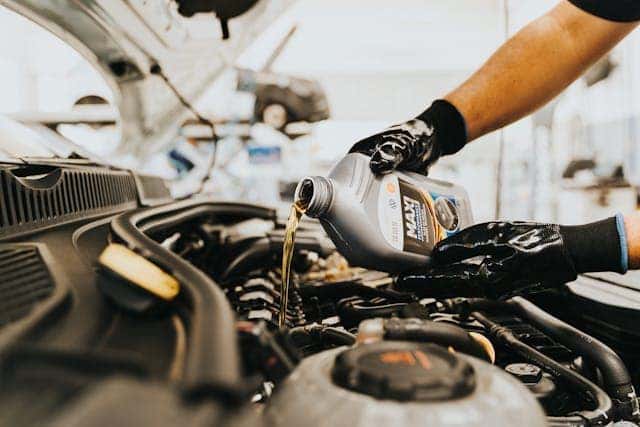
Car maintenance advice gets passed down from parents, repeated at the gas station and shared endlessly online. Some of it was true decades ago and never got updated. Some of it was never true at all. Following outdated rules does not usually damage a car, but it does waste money, and occasionally it makes people skip the maintenance that actually matters. Here are seven of the most common myths and what to do instead.
Myth 1: “Change your oil every 3,000 miles”
The reality: The 3,000-mile rule dates from a time when engine oils broke down much faster. Modern engines and oils, especially synthetics, typically last far longer, and many manufacturers now recommend intervals of 5,000 to 10,000 miles or more. Many newer cars also have an oil-life monitor that calculates when a change is due based on how you actually drive.
What to do: Follow the interval in your owner’s manual. Use the “severe service” schedule if you mostly make short trips, tow, drive in extreme heat or cold, or spend a lot of time idling in traffic.
Myth 2: “Premium fuel makes any car run better”
The reality: Premium gasoline has a higher octane rating, which helps engines designed for it avoid knocking. If your car is designed for regular fuel, premium will not add power, improve mileage or clean the engine any better. It just costs more at every fill-up.
What to do: Check the fuel door or manual. If it says premium is required, use it. If it says “recommended”, regular is usually safe but may slightly reduce performance. If it says regular, buy regular.
Myth 3: “Let the engine warm up for ten minutes on cold mornings”
The reality: Older carbureted engines needed a long warm-up. Modern fuel-injected engines do not. Long idling wastes fuel, and the engine actually warms up faster when the car is moving.
What to do: Start the car, give it about 30 seconds to get oil circulating, then drive gently for the first few miles. Just make sure all the windows are clear of frost before you set off.
Myth 4: “You must service your car at the dealer to keep the warranty”
The reality: In the United States, a manufacturer generally cannot void your warranty just because routine maintenance was done by an independent shop or by you. The Federal Trade Commission has repeatedly reminded consumers of this under the Magnuson-Moss Warranty Act. What matters is that the maintenance is done on schedule with suitable parts and fluids.
What to do: Choose a garage you trust, and keep every receipt with the date and mileage. If a warranty claim ever comes up, those records are your proof.
Myth 5: “Inflate tires to the number on the sidewall”
The reality: The number molded on the tire is the maximum pressure the tire can safely hold, not the right pressure for your car. Inflating to the maximum gives a harsher ride, less grip and uneven wear.
What to do: Use the pressure on the sticker inside the driver’s door or in the manual, and check it monthly with the tires cold. Pressure drops as temperatures fall, so check more often in winter.
Myth 6: “Dish soap is fine for washing the car”
The reality: Dish soap is designed to strip grease, which means it also strips the wax and protective coatings from your paint, leaving it more exposed to sun, salt and grime.
What to do: Use a dedicated car wash soap, wash in the shade, and use two buckets (one for soapy water, one for rinsing the mitt) to avoid dragging grit across the paint.
Myth 7: “Lifetime fluids never need changing”
The reality: Some cars are sold with “lifetime” transmission or coolant fluids, but “lifetime” can mean the expected life of the warranty rather than the life of the car. Fluids still break down over time, especially under heavy use.
What to do: Check the severe-service section of your manual, and ask your mechanic about the fluid’s condition at major services, especially if you tow, drive in heavy traffic or plan to keep the car a long time.
The maintenance that really matters
Dropping the myths frees up money for the things that genuinely protect your car and your safety: following the manufacturer’s service schedule, keeping tires properly inflated and replaced before they are worn, having brakes inspected regularly, and fixing small problems before they turn into big ones. Recall repairs are free, so it is also worth checking your vehicle identification number for open safety recalls a couple of times a year.
Car care is full of questions that sound simple but rarely get a clear answer, from how long tires last to whether a warning light can wait. For straightforward answers to everyday questions like these, CivilQA is a useful place to start. When in doubt, though, your owner’s manual is the most reliable guide to your particular car.