
A WRC Rally1 car produces approximately 500 combined horsepower, weighs 1,260kg, and accelerates from 0–100km/h in under four seconds — on gravel. At Motorsport Auctions, classic and used rally cars are regularly listed, inspected, and sold, making these specifications a practical reality rather than abstract figures.
The horsepower gap between a WRC car and a standard road car is significant, but the raw number alone provides limited context. The engineering behind how and where that power is delivered is what fundamentally separates rally machinery from everyday vehicles.
—
What Horsepower Does a Modern WRC Car Produce?
Under current Rally1 regulations, WRC cars use a 1.6-litre turbocharged petrol engine combined with a hybrid unit. The total output is approximately 500 horsepower — around 380hp from the combustion engine and between 100–130hp contributed by the electric hybrid system during acceleration.
For comparison, a standard family hatchback such as a Ford Focus or VW Golf produces between 110hp and 150hp. A Golf GTI produces around 265hp. A WRC car generates three to four times the power of a typical family car from an engine half the displacement.
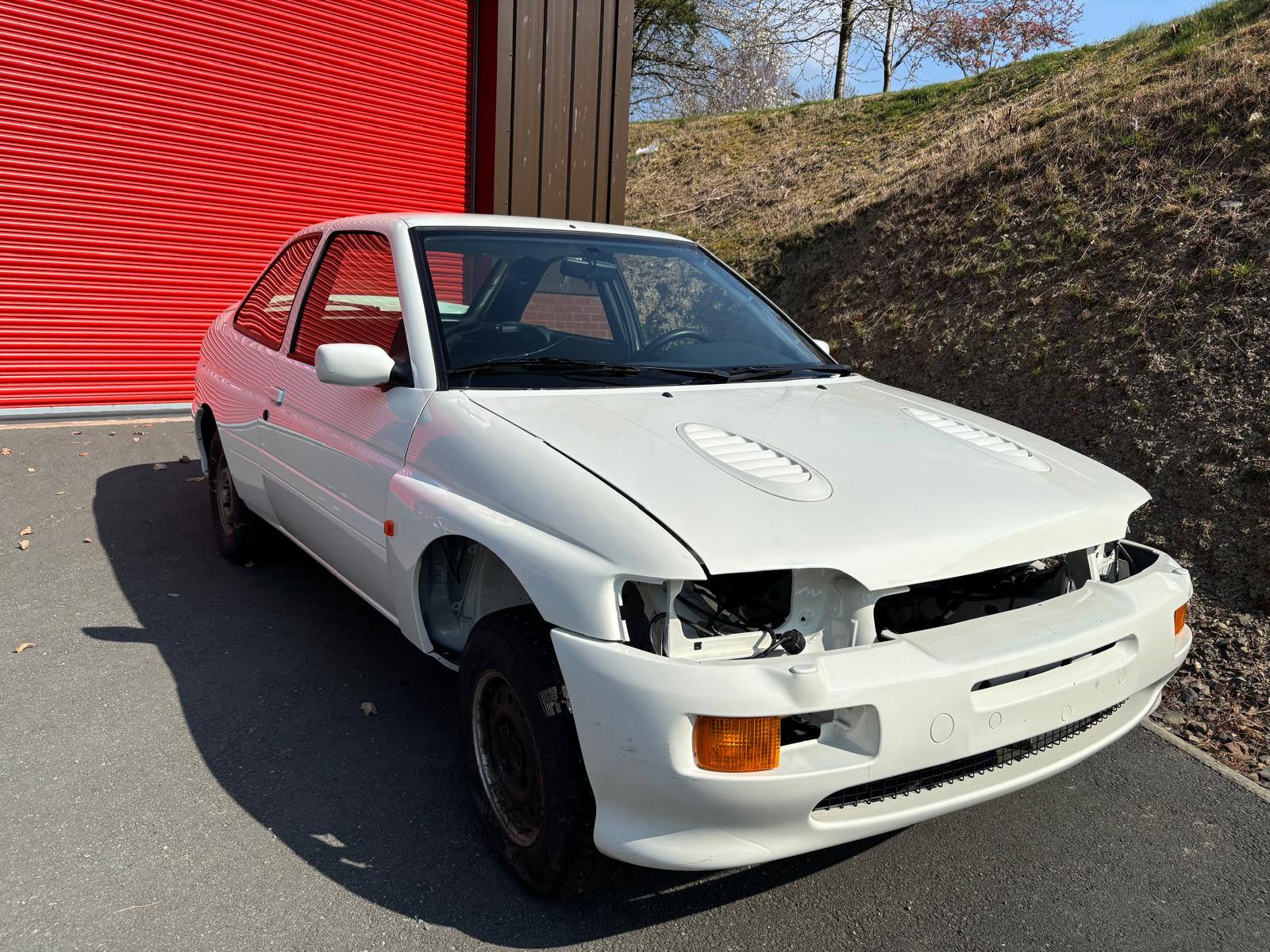
The previous WRC generation — World Rally Cars for sale produced between 2017 and 2021 — used 1.6-litre turbocharged engines without hybrid assistance and were regulated to approximately 380hp. Those figures exceeded many road-legal sports cars at a fraction of the equivalent retail cost.
—
Why Engine Size Does Not Tell the Whole Story
A 5.0-litre V8 muscle car may produce 450hp from a large naturally aspirated engine. A WRC car achieves comparable output from a 1.6-litre turbocharged unit. The difference comes down to turbocharger specification, fuel mapping, and the fact that rally engines are rebuilt after nearly every competitive event.
A critical regulatory detail that is frequently overlooked: WRC cars are required to run a 36mm air intake restrictor. Without it, these engines could theoretically exceed 600hp. The restrictor exists specifically to limit power output, which reflects the underlying capability of the engineering involved.
Older Group B machinery provides further context. The Audi Sport Quattro S1 produced upwards of 500hp in full qualification trim during the mid-1980s from a 2.1-litre five-cylinder engine. Group B cars operated without the restrictions that govern modern rally vehicles, and the associated dangers led directly to the regulatory framework in place today. Motorsport Auctions has handled Group B machinery of this type, and the specifications reflect a distinctly different era of rally engineering.
—
Rally1 Hybrid System vs Pure Internal Combustion Engine
The hybrid Rally1 regulations introduced in 2022 brought a meaningful change to WRC power delivery. The electric motor supplements torque at low RPM — the point at which a turbocharged engine typically experiences lag, particularly when exiting slow corners on loose surfaces.
The electric unit adds approximately 100kg to the car’s total weight, but that penalty is offset by more consistent torque delivery out of corners. Driver feedback indicated Rally1 cars felt more manageable on technical stages despite the weight increase, and stage times for the hybrid generation are consistently faster than those recorded by pre-2022 cars. The competitive results indicate the hybrid integration has produced measurable performance gains despite the engineering compromise.
—
How Normal Road Cars CompareVehicleApproximate HorsepowerFord Fiesta 1.0 EcoBoost95–125hpSubaru WRX STI~310hpHonda Civic Type R329hpWRC Rally1 car (combined)~500hp
The Subaru WRX STI is a relevant point of reference. The Impreza WRX served as a genuine WRC platform during the late 1990s and early 2000s. The road car shares a name and basic architecture with its rally counterpart, but the competition version of that era produced closer to 300hp from the same 2.0-litre boxer engine — in a lighter car fitted with bespoke suspension geometry, titanium components, and a gearbox that cost more than the complete road car.
—
What to Consider When Buying a Rally Car
When evaluating a used or classic rally car, horsepower figures are a starting point, not the primary measure of value or suitability. The more relevant considerations are:
- Homologation specification — what class the car was built to compete in
- Engine rebuild history — how recently the engine was rebuilt and to what standard
- Claimed specification accuracy — whether the car matches the homologation it is listed under
A Group N car and a fully-built R5 may both be described as 1.6-litre turbocharged vehicles, but their actual output, build quality, and competitive application differ substantially. Buyers who focus solely on the power figure without verifying these details risk acquiring a car that does not meet their requirements.
Motorsport Auctions provides buyers across the UK, Ireland, and Europe with a transparent platform where rally car specifications are clearly documented. Rally cars are categorically different from road cars, and accurate specification information is essential to making an informed purchase.
—
FAQs
How much horsepower does a WRC car have? Modern Rally1 WRC cars produce approximately 500hp combined from a hybrid turbocharged 1.6-litre setup.
How does WRC horsepower compare to a normal car? A standard family car produces 110–150hp. A WRC car is roughly three to four times more powerful, from half the engine displacement.
What restricts WRC car power output? A mandatory 36mm air restrictor limits intake airflow, capping power well below what the engine could otherwise produce.
Did older WRC cars make more power than modern ones? Some did. Group B cars from the 1980s ran unrestricted and produced 500hp or more before regulations were introduced to limit performance.
Can you buy a real WRC car at auction? Yes. Used and classic rally cars, including former WRC machinery, are listed regularly on specialist platforms such as Motorsport Auctions.
How often are WRC car engines rebuilt? Rally engines are typically rebuilt after every event, and sometimes between stages depending on the car’s condition and the team’s schedule. This contrasts significantly with a road car engine, which may cover 150,000 miles without requiring a rebuild.