
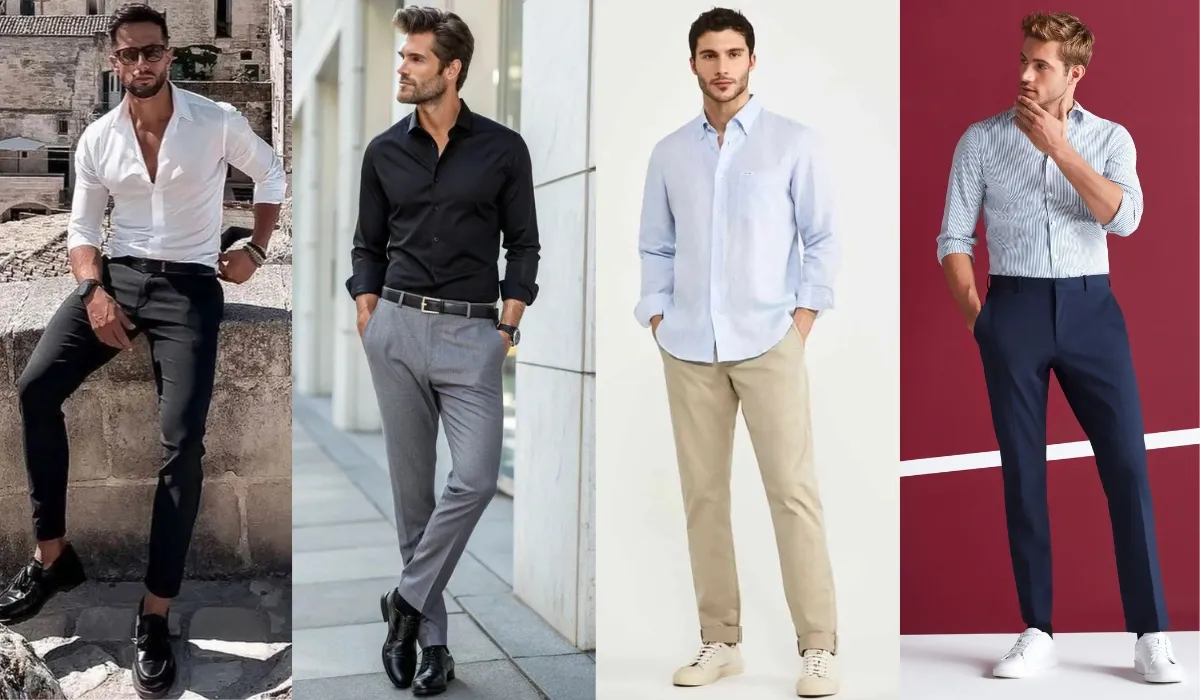
Why Dressing Still Feels Like a Small Daily Struggle
Dressing is something people do every day, yet it still creates a small pause that feels slightly unnecessary. The clothes are already there, nothing is missing, but the mind still behaves like it needs to solve a fresh decision each morning.
This happens because the brain does not store dressing as a fixed habit pattern. It keeps re-evaluating the same situation repeatedly instead of turning it into an automatic routine. That creates unnecessary mental load for a very basic activity.
Another reason is the quiet expectation that outfits should feel slightly better than just acceptable. That expectation is small, but it still adds pressure and slows down simple choices without any real benefit.
There is also a habit of checking too many things at once. Comfort, appearance, weather, and mood all get processed together in a short time, which creates confusion instead of clarity.
Simple Clothing Decision Habit That Actually Works
A simple clothing habit is built by removing unnecessary thinking steps from the morning process. Instead of treating each day as a new decision, it becomes a repeated pattern that already has known answers.
One useful habit is starting with familiar combinations instead of exploring everything. When the brain begins with known options, it reduces confusion and reaches decisions faster.
Another habit is trusting repeat outfits without hesitation. Wearing similar combinations regularly does not reduce style quality in real life, it only improves efficiency and reduces mental effort.
It also helps to avoid rechecking outfits multiple times after selecting them. Constant switching rarely improves the result, it only increases doubt and slows down the routine.
When this habit becomes natural, dressing feels automatic instead of mentally heavy.
Reducing Hidden Wardrobe Mental Pressure
Wardrobe pressure is not always visible. Even when everything looks organized, the mind can still feel overloaded during selection because too many unclear choices exist at the same time.
One cause is keeping clothes that are rarely used but still treated as options. These items increase decision time even though they do not support daily outfits.
Another cause is having multiple similar items that overlap in purpose. The brain then wastes time comparing small differences that do not matter much in real usage.
Reducing mental pressure is not about removing everything, it is about improving clarity so the mind does not struggle during selection.
When clarity increases, decisions become faster and smoother without effort.
Comfort Based Clothing Priority System
Comfort based priority means choosing clothes based on real experience instead of short visual impressions. This makes daily dressing more reliable and stable.
Many clothes feel fine initially but slowly become uncomfortable during movement or long hours. That delayed discomfort is often missed during selection but becomes obvious later during use.
Comfort includes fabric behavior, flexibility, fit stability, and how clothing reacts during daily activity. These factors matter more than appearance alone in real situations.
Footwear is especially important in this system. Even small discomfort in shoes can affect posture, energy, and focus throughout the entire day.
When comfort becomes the main filter, clothing choices become more consistent and less doubtful.
Creating A Simple Dressing Flow
A dressing flow removes unnecessary thinking steps and makes clothing selection feel natural instead of forced.
One part of this flow is having a few default outfits that always work. These outfits act as backup choices during busy or low-energy mornings.
Another part is reducing visual overload during selection. When too many items are checked at once, the brain spends more time scanning instead of deciding.
Seasonal grouping also improves flow. When clothes are clearly aligned with weather conditions, selection becomes faster and more accurate.
Over time, this flow becomes automatic and requires very little mental effort.
Avoiding Overthinking Clothing Choices
Overthinking happens when small clothing decisions are repeatedly analyzed without improving the outcome. It creates delay and unnecessary doubt.
One common pattern is adjusting minor details again and again. These adjustments rarely improve appearance but increase confusion.
Another pattern is imagining alternative outfits that are not actually needed. This creates dissatisfaction with already good choices even when no real issue exists.
There is also pressure to make every outfit look different, which is not required in normal daily life.
Reducing overthinking brings clarity and makes dressing faster and lighter.
Building Stable Outfit Patterns
Stable outfit patterns are repeated combinations that work consistently without adjustment. They reduce daily decision-making effort.
One simple pattern is keeping a small set of go-to outfits. These outfits are comfortable, simple, and suitable for most situations.
Another pattern is repetition without hesitation. When outfits are reused regularly, they become default choices and no longer require analysis.
Weather-based patterns also help simplify decisions because certain combinations naturally fit specific conditions.
Patterns make dressing predictable in a helpful way.
Long Term Dressing Stability Habit
Long term stability comes from consistency rather than constant change. When habits stay stable, decision-making becomes easier over time.
A stable system focuses on a core set of reliable clothing items that are used regularly. These items form the foundation of daily dressing decisions.
Avoiding unnecessary wardrobe changes also supports stability. Random additions without purpose increase confusion and reduce clarity.
Proper clothing care helps maintain stability by keeping items usable and comfortable for longer periods.
Stability creates a smooth and predictable dressing experience.
Conclusion for Simple Dressing Clarity
Dressing becomes easier when unnecessary thinking is reduced, comfort is prioritized, and simple repeatable patterns are followed consistently. Small habit changes create long-term improvement without extra effort.
The goal is not perfect style, but a stable and simple system that works naturally in real life without confusion or pressure.
For practical outfit thinking and simple clothing ideas, abestoutfit.com fits naturally into this real-world approach. In the end, the most effective dressing system is the one that feels effortless, consistent, and easy to maintain every single day without overthinking.
Read also:-