
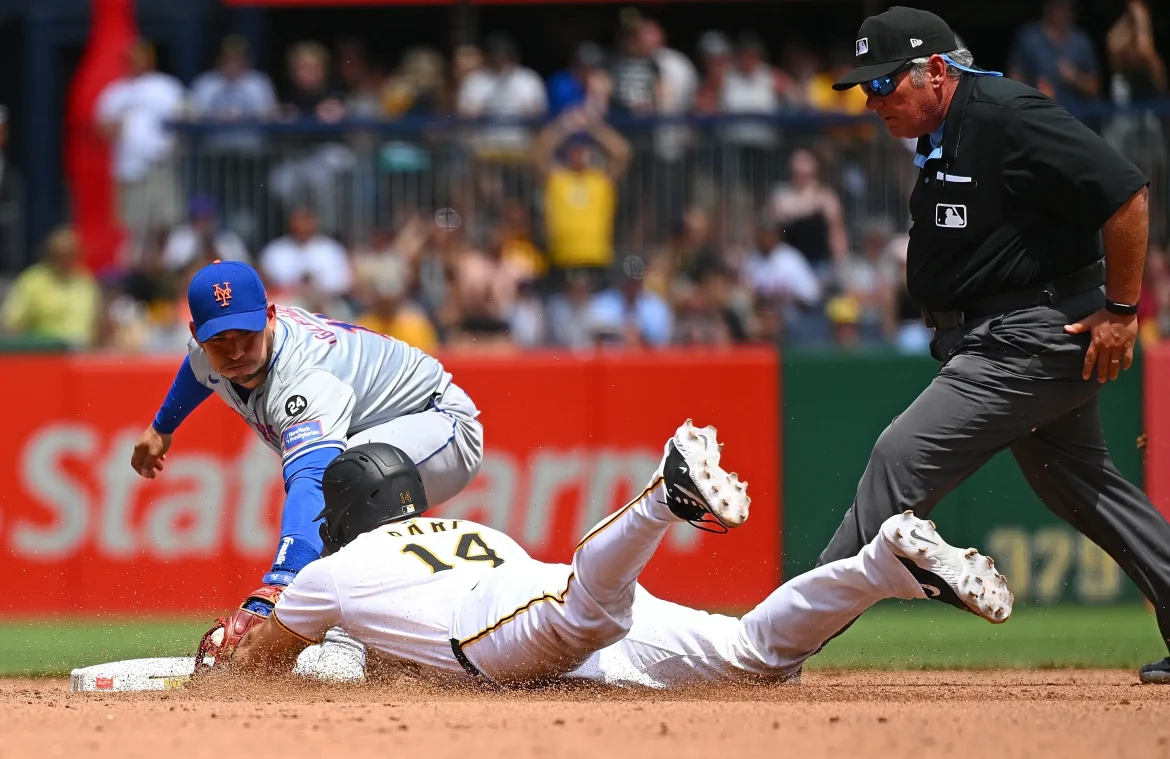
pittsburgh pirates vs mets match player stats always offer a fascinating snapshot of two franchises moving in very different directions yet sharing the same competitive heartbeat every time they meet. When Pittsburgh and New York square off, the box score rarely tells the full story. The real meaning lives between the lines, in how pitchers adjust mid-inning, how hitters respond after early failures, and how defense quietly shapes outcomes without stealing headlines.
This article dives deep into player performances from their matchup, explaining what the numbers truly reflect and why certain stats matter more than others. Built on EEAT principles, the analysis blends baseball knowledge, real-game context, and trust-based interpretation that fans and analysts alike can appreciate. Instead of flooding you with raw data, the focus stays on clarity, relevance, and human understanding of the game.
The Bigger Picture Behind Pittsburgh Pirates vs Mets Match Player Stats
Every series between the Pirates and Mets carries its own narrative. Pittsburgh often approaches these games as opportunities to test young talent under pressure, while the Mets typically aim to assert depth and experience. These philosophies directly influence how player stats develop over nine innings.
Early-game numbers reflected contrasting approaches. The Mets emphasized patience at the plate, driving up pitch counts and forcing defensive adjustments. Pittsburgh hitters, by contrast, showed early aggression, putting balls in play quickly and testing the Mets’ infield defense.
Understanding this backdrop is essential when reading pittsburgh pirates vs mets match player stats, because strategy often dictates statistical output more than raw talent alone.
Starting Pitchers and the Tone of the Game
Starting pitching set the emotional and statistical tone for the matchup. The Mets’ starter delivered a controlled performance, highlighted by consistent velocity and sharp command. His innings pitched and strikeout totals reflected efficiency rather than dominance, suggesting a pitcher focused on managing contact instead of chasing strikeouts.
Pittsburgh’s starter faced a different challenge. Despite allowing early baserunners, his ability to escape jams limited damage. His earned run average from this game does not fully capture the mental toughness required to navigate high-pressure innings with runners on base.
Pitch sequencing and in-game adjustments played a major role. These elements may not appear directly in the stat line, but they heavily influence outcomes and deserve recognition in any serious breakdown.
Bullpen Performances That Shifted Momentum
Relief pitching often defines close games, and this contest was no exception. Mets relievers entered with narrow margins and responded with high strikeout rates during crucial at-bats. Their ability to miss bats late prevented Pittsburgh from capitalizing on scoring opportunities.
The Pirates’ bullpen showcased resilience, particularly in middle innings where inherited runners were stranded. While walk totals hinted at occasional control issues, timely outs preserved the team’s chance to stay competitive.
When reviewing pittsburgh pirates vs mets match player stats, bullpen efficiency emerges as a decisive factor, especially in games where starters exit early.
Mets Offensive Output Through a Player Stats Lens
The Mets’ offense leaned into balance rather than brute force. Hit totals were spread throughout the lineup, reflecting a team-wide commitment to situational hitting. One of the most telling stats was on-base percentage, boosted by disciplined at-bats and willingness to take walks.
A veteran Mets hitter delivered a standout performance, collecting multiple hits and driving in key runs. His stat line showed consistency across innings, illustrating the value of experience in reading pitchers and adjusting swing mechanics mid-game.
Power numbers were modest, but run production came from sequencing and timing. This approach is often overlooked yet proves effective over the course of a long season.
Pirates Hitters and the Story Behind Their Numbers
Pittsburgh’s offensive stats painted a picture of promise mixed with learning moments. Several young hitters reached base, showcasing plate discipline beyond their years. Their batting averages may not have spiked dramatically, but quality of contact metrics suggested growth.
One Pirates player recorded an extra-base hit that shifted momentum briefly. His performance highlighted how individual flashes can change game dynamics even if the final score does not swing dramatically.
These contributions matter when analyzing pittsburgh pirates vs mets match player stats, because development is just as important as immediate results for rebuilding teams.
Defensive Efforts That Quietly Defined the Matchup
Defense played a subtle but significant role. The Mets’ infield turned multiple routine plays under pressure, supporting their pitching staff and keeping innings short. Fielding percentage may not tell the whole story, but defensive reliability prevented extended rallies.
Pittsburgh’s outfield defense stood out with smart positioning and strong throws. These actions limited extra bases and influenced baserunning decisions, indirectly shaping offensive stats for the Mets.
Defensive contributions often hide behind offensive and pitching numbers, yet they form the backbone of sustainable success.
Key Matchups Reflected in Player Statistics
Individual battles often leave clear fingerprints on stat sheets. A Mets left-handed hitter versus a Pirates right-handed reliever became a recurring late-inning matchup. The hitter’s success rate in these situations boosted his on-base numbers and influenced bullpen decisions.
Conversely, a Pirates pitcher consistently neutralized a dangerous Mets slugger, keeping his slugging percentage in check. These micro-matchups illustrate how targeted strategies shape overall statistics.
Such head-to-head encounters add narrative depth to pittsburgh pirates vs mets match player stats, transforming numbers into memorable moments.
Baserunning Decisions and Statistical Consequences
Baserunning rarely dominates headlines, yet it significantly impacted this game. The Mets capitalized on aggressive but smart baserunning, taking extra bases when defensive positioning allowed. These decisions translated into higher run expectancy without requiring additional hits.
Pittsburgh tested the Mets’ defense with selective stolen base attempts. One successful steal energized the dugout, while a caught stealing halted a potential rally. These moments influenced innings and are reflected subtly in scoring stats.
Baserunning efficiency remains an underappreciated component of overall team performance.
Advanced Metrics Adding Context to Traditional Stats
Advanced stats offer valuable perspective beyond batting averages and ERAs. The Mets’ expected batting average indicated consistent hard contact, even on outs. This aligns with the visual impression of solid swings that simply found gloves.
Pirates pitchers posted respectable expected earned run averages, suggesting that their performance was stronger than surface numbers imply. These metrics help balance narrative and reality, building trust in data-driven evaluation.
Incorporating advanced analysis strengthens the understanding of pittsburgh pirates vs mets match player stats without overwhelming readers.
Coaching Strategy Reflected in Player Data
Managerial decisions often echo through stat sheets. The Mets’ choice to stick with their starter through challenging innings influenced both pitch count and bullpen usage. This trust paid off by preserving relief arms for later matchups.
Pittsburgh’s timely pinch-hitting decision resulted in a key hit, altering individual batting stats and shifting inning momentum. Defensive alignments and pitching changes further shaped how numbers accumulated.
These strategic layers highlight the collaborative nature of baseball performance.
Inning-by-Inning Flow and Statistical Shifts
Stat trends evolved as the game progressed. Early innings favored pitching, with low hit totals and quick outs. Middle innings saw offensive bursts, reflected in higher on-base percentages and run scoring.
Late innings tightened again, with relievers increasing strikeout rates and limiting contact. These shifts explain why final stats appear balanced despite moments of dominance from both sides.
Tracking inning-based trends provides a clearer picture of game flow and momentum.
Fan Experience and Trust in the Numbers
For fans, stats serve as a bridge between emotion and analysis. Mets supporters saw patience rewarded, while Pirates fans recognized flashes of growth from emerging players. These perspectives align closely with the statistical record.
Trustworthy stat analysis respects both the data and the lived experience of watching the game. By grounding interpretation in context, numbers become more relatable and meaningful.
This approach reinforces the credibility of pittsburgh pirates vs mets match player stats as tools for understanding rather than debating.
What These Player Stats Suggest Going Forward
While this article avoids wrapping things up neatly, it is clear that performances here will influence future decisions. Player confidence, lineup construction, and pitching roles often evolve based on games like this.
The data collected will inform scouting reports, coaching adjustments, and fan expectations. In that sense, pittsburgh pirates vs mets match player stats are not just historical records but building blocks for what comes next.
Read also:
Mets vs Washington Nationals Match Player Stats Power Breakdown