
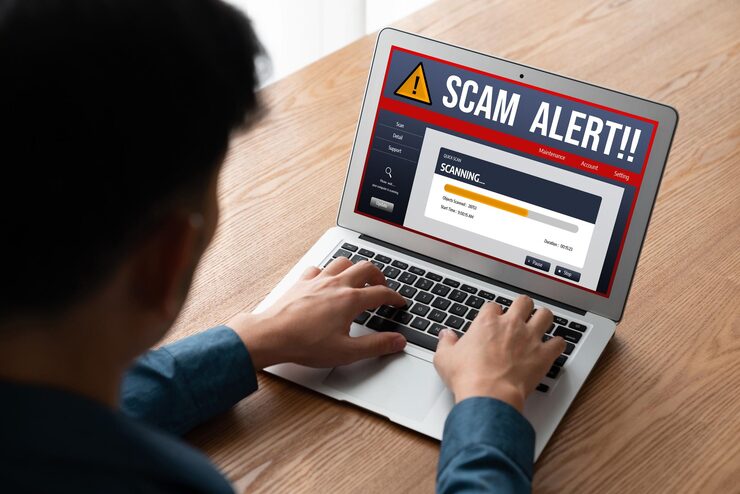
08000148840 is being reported by many users as a suspicious number linked to a “subscription renewal” scam, where callers try to trick you into paying for a service you never renewed or never even used. If you’ve received a call saying your subscription is expiring today, your account will be charged automatically, or your membership will be blocked, you’re in the right place.
These calls are designed to feel urgent, official, and stressful.
The scammer often sounds like a trained customer support executive. They may mention a popular service, a yearly renewal plan, or a payment that will be deducted within minutes. They might even claim you’ll be charged a large amount unless you “cancel immediately.”
And that’s exactly how people get trapped.
This article explains how the scam works, why it feels so real, and how to protect yourself in a calm, smart way—based fully on EEAT (Experience, Expertise, Authoritativeness, and Trustworthiness).
Why Are People Receiving Calls from 08000148840?
Subscription renewal scams have increased because almost everyone uses some kind of paid service today. Streaming apps, antivirus tools, cloud storage, productivity software, and premium memberships are part of normal life.
Scammers take advantage of that reality.
They know you might have subscribed to something months ago and forgotten. They also know many services have auto-renewal enabled, so the threat of a “surprise charge” feels believable.
Calls from 08000148840 often follow a familiar script: the caller claims your subscription is about to renew, and they are calling to “confirm” or “cancel” it.
But the real purpose is not confirmation.
The real purpose is to make you panic and pay quickly.
The First Trick: Creating Instant Fear About a Big Charge
Most people don’t respond to a normal sales call. But they do respond to fear.
That’s why scammers start with a warning like:
“Your subscription will renew today for ₹4,999.”
Or:
“Your account will be charged automatically within 30 minutes.”
Or:
“We received your renewal request. If you didn’t request it, cancel now.”
The scammer makes it sound like the charge is already in motion.
Even if you don’t remember subscribing, your brain immediately thinks: “What if it’s real?”
That emotional pressure is the opening they need.
How the Subscription Renewal Scam Works Step-by-Step
Subscription renewal scams are not random conversations. They’re scripted and optimized.
First, the caller introduces themselves as customer support from a well-known company or “billing department.” They might mention a brand name that feels familiar, like antivirus software, streaming services, or online tools.
Next, they claim your plan is expiring and will renew automatically. They may say it’s a yearly plan to make the amount sound bigger and more urgent.
Then they offer an easy fix: cancel the renewal or stop the payment. They act helpful and calm, like they’re saving you money.
After that, they ask you to “verify” your identity or payment method. This is where they start fishing for sensitive information like your card details, OTP, UPI PIN, or banking access.
Finally, they push you toward a payment or remote access. Sometimes they send a link to “cancel,” which is actually a phishing page. Sometimes they ask you to install an app for “support help,” which gives them control of your device.
The scam ends with money loss, data theft, or account compromise.
08000148840 Subscription Renewal Scam Red Flags You Must Know
One clear red flag is the surprise call itself. Real companies rarely call you out of nowhere to “warn” about a renewal.
Another major red flag is urgency. If someone says the charge will happen in 10 minutes, they are trying to block your ability to verify calmly.
Also watch for vague service details. If you ask which subscription it is, they might give unclear answers or change the topic.
A big warning sign is when they request OTP, UPI PIN, or card CVV. Legitimate companies do not ask for those over the phone.
If they send a link through SMS or WhatsApp and push you to open it immediately, treat it as suspicious. Real subscription cancellations can be done through your official app settings, not through random links.
When pressure replaces clarity, it’s usually a scam.
Why This Scam Feels So Real (Even If You’re Careful)
Subscription renewal scams feel real because they match modern life.
Many people have multiple subscriptions running: OTT platforms, cloud backups, music apps, antivirus, online learning, and even delivery memberships.
You may not remember every renewal date.
Scammers use that uncertainty.
They also use “billing language” that sounds official. Words like invoice, auto-debit, renewal confirmation, and cancellation request make it feel like a real process.
Sometimes they even send a fake invoice number or fake receipt screenshot to make you trust them more.
But remember: scammers don’t need to prove anything. They only need you to act before you verify.
A Real-Life Style Example: The “Cancel Now” Trap
Imagine you’re in the middle of your workday.
You get a call saying your antivirus subscription is renewing for ₹6,499. You don’t remember subscribing, but you did install an antivirus once.
The caller says, “Don’t worry, I can cancel it. Just confirm your payment method.”
They then send a link and tell you to fill in your details to cancel.
You open the page, and it looks professional. It asks for your name, card number, and OTP.
You think you’re canceling.
But you’re actually authorizing a payment or handing over your card details to scammers.
This is exactly how people lose money without realizing it until the bank message arrives.
08000148840 and the “Refund After Cancellation” Scam Angle
Some scammers add a second layer.
After convincing you that a renewal charge is coming, they may claim they “canceled” it and now a refund is being processed.
Then they say something like:
“To receive the refund, you must verify your UPI.”
Or:
“We need a small verification payment of ₹10.”
Or:
“Accept the request to confirm your refund.”
This is another trap.
Refunds do not require you to send money first. If someone asks you to pay to get a refund, it’s a scam every time.
The scammer may also send a UPI collect request, hoping you approve it quickly.
That approval can send money directly to them.
What to Do If You Get a Call from 08000148840
If you receive a call from 08000148840, don’t panic. The safest move is to end the call and verify independently.
Open the app or service they mentioned and check your subscription settings. If you actually have an active subscription, you’ll see the renewal date clearly.
If you don’t see anything, the call is likely fake.
If you are worried about charges, check your bank statement or card transaction history using your official banking app.
Do not click any links sent by the caller.
Do not share any OTP, PIN, or card details.
A real subscription can be canceled safely from your own account dashboard, not through a stranger’s instructions.
What If You Already Paid or Shared Details?
If you already made a payment or shared sensitive details, quick action matters.
If you shared your card number and CVV, contact your bank immediately and request a card block and replacement.
If you shared an OTP, report it instantly because an OTP can authorize transactions.
If you approved a UPI collect request, open your UPI app and check transaction history right away.
If you installed an unknown app for “support,” uninstall it immediately and review your phone permissions. Some apps request accessibility access, which can be dangerous.
Also change your email password, because email access often leads to further account takeovers.
Even if you feel embarrassed, don’t delay. Scammers succeed when victims stay silent.
How to Secure Your Phone and Accounts After a Scam Attempt
After any scam attempt, it’s smart to tighten security.
Check your installed apps list and remove anything unfamiliar.
Review permissions for apps that can read notifications, access SMS, or control accessibility settings.
Enable two-factor authentication on your email and important accounts.
Set transaction alerts for your bank and card so you know instantly if something happens.
Also review your subscriptions in Google Play or Apple subscriptions, because those are the most reliable places to confirm active plans.
The goal is simple: reduce access, reduce risk.
Why Scammers Prefer Subscription Renewal Scams
This scam works because it feels “normal.”
People expect renewal reminders.
People fear surprise charges.
People don’t want to lose money on something they didn’t buy.
And people are often too busy to verify properly in the moment.
Scammers also know that subscription services are everywhere, so they can mention a popular category and it will sound believable.
Even if they guess wrong, they can quickly switch the story.
That flexibility makes this scam extremely effective.
How to Tell a Real Renewal Notice from a Scam Call
Real renewal notices usually come from inside your account.
You’ll see them in official emails, app notifications, or billing settings.
They don’t require you to take immediate action through a random call.
They don’t ask for OTP or UPI PIN.
They allow you to cancel anytime through your account dashboard.
Scam calls, on the other hand, rely on pressure and confusion.
They want you to act fast before you verify.
If the caller refuses to let you confirm through official channels, that’s your answer.
Helping Parents and Family Stay Safe from Renewal Scams
Many victims are not careless—they’re simply unaware.
Parents and elderly users are often targeted because scammers assume they’ll follow instructions.
A simple family rule helps a lot:
Never pay or share OTP because of a phone call.
If someone claims a subscription is renewing, check it yourself in the app.
If you don’t know where to check, ask a trusted family member before doing anything.
Also remind them that scammers can sound polite and professional, but politeness is not proof of legitimacy.
The safest habit is verification, not trust.
08000148840 Reporting and Blocking for Community Safety
Blocking the number prevents repeat calls, but reporting helps others too.
Mark the number as spam in your phone dialer if that option is available.
If the caller sent you links, invoices, or payment requests, report it through your cybercrime reporting system and notify your bank if financial details were involved.
Even if you didn’t lose money, reporting suspicious calls helps build awareness and reduces scam success rates.
Scammers depend on people staying quiet.
When you report, you make the scam weaker.
Common Questions People Ask After These Calls
Many people ask, “Can they charge me just by calling?” The answer is no. They can’t charge you unless you approve something, share details, or click a link that gives them access.
Others ask, “Why do they know my name?” Names can be found through many sources like delivery apps, caller ID databases, or leaked lists. It doesn’t mean they have access to your bank.
Some ask, “Should I cancel my card?” If you shared card details, yes, blocking the card is the safest move. If you only received the call and shared nothing, monitoring your transactions is usually enough.
The key is staying calm and acting logically.
08000148840 Safety Reminder for Smart Digital Users
Scams like this don’t succeed because people are foolish.
They succeed because the scam is designed to trigger fear and urgency.
When someone claims a renewal is happening “right now,” pause.
When someone asks for OTP or UPI PIN, stop.
When someone sends a cancellation link and pushes you to open it immediately, step back.
Your best protection is simple: verify through your own official apps and settings, not through a stranger’s instructions.